


Overview
Quick clarification before anything else, because this term gets used two different ways online: this guide is about resource augmentation in the software development sense, bringing external developers, QA engineers, or specialists into your existing team for a project. If you landed here looking for recruitment process outsourcing or general HR staffing, that's a different animal. What follows is about code, not headcount planning for your whole company.
With that out of the way: resource augmentation is, for nearly all practical purposes, the same thing as staff augmentation. Different vendors picked different words for the same model, and the industry never quite settled on one. You add external talent to your existing team, on a temporary or project basis, without hiring full-time employees or handing the whole project to an outsourcing company. Simple idea. The details are where it gets useful.
Quick summary: resource augmentation works best when hiring permanent employees would be too slow or too expensive for what you actually need, usually a specific skill for a specific stretch of time. It keeps you in control of the work, unlike outsourcing, where you hand over a project and largely step back. The rest of this guide covers how it actually works, real benefits and real risks, how it stacks up against outsourcing and dedicated teams, and a straightforward process for bringing augmented specialists into a team that already exists.
The Short Definition
Resource augmentation means adding external talent, developers, QA engineers, DevOps specialists, whoever the project actually needs, directly into your existing team. They work inside your processes, your tools, your daily stand-ups. Not a separate vendor team running in parallel. Not a black box you check in on once a week.
This matters because it changes who's in charge. With resource augmentation, your internal teams keep making the calls. The augmented specialists report into your structure, follow your priorities, and get managed the way any other contributor would be. A resource augmentation company handles recruiting, contracts, and payroll behind the scenes. You handle the actual work.
Companies reach for this model in a specific, recognizable situation: hiring full-time employees would take too long or cost too much for what's actually a temporary need, and the internal team is missing a specific skill for a specific project rather than needing to grow permanently. A three-month sprint that needs one extra senior backend engineer. A migration project needing a specialist your team doesn't have. It's built to close skill gaps quickly, not to replace an in-house team's long-term hiring plan.
How Does Resource Augmentation Work?
The mechanics are simple enough to describe in four steps, though each one matters more than it looks.
Define your needs first. Before talking to any provider, get specific about the skill gap, the project timelines, and how long you actually need the person. Vague requests produce mismatched candidates.
Select candidates based on the actual skills required, not just years of experience or a resume that looks impressive. A resource augmentation partner worth using will let you interview candidates directly rather than just handing you a profile.
Establish clear roles and workflows before day one. Augmented resources need to know exactly where they fit, who they report to, and what "done" looks like. Skipping this step is the single most common reason these engagements start slow.
Maintain transparent communication throughout. This is what keeps you in control of the project rather than just hoping it goes well. Regular check-ins, visible progress, and documentation that doesn't live only in one person's head.
Is Resource Augmentation Right for Your Business Needs?
Not every business need fits this model, so here's the honest breakdown.
It's a strong fit when you need specific skills for a specific project without a long-term commitment, when your internal team is solid but missing one or two specialized skills, when project demands are temporary or seasonal, and when speed genuinely matters more than building something permanent.
It's a weaker fit when you need a fully staffed team from scratch rather than a few extra hands, when the work has no real internal ownership to plug into, or when you're trying to solve a permanent capacity gap with what's meant to be a temporary tool. If that's the situation, a dedicated team or actual full-time hiring probably serves you better long-term.

Resource Augmentation vs Outsourcing vs Dedicated Teams
People use these terms almost interchangeably, and that causes real confusion when comparing providers. Here's the practical distinction.
Outsourcing hands an entire project to a third-party provider. They own the delivery, you own the outcome, and you generally sacrifice a fair amount of direct oversight and day-to-day quality control in exchange for not having to manage the work yourself. Resource augmentation does the opposite: you keep internal control, the external professionals join your team and follow your process, and you're paying for capacity, not a finished deliverable someone else designed.
A dedicated team sits somewhere in between: a full external team, but one that works exclusively on your product for a long stretch, often with its own internal structure rather than individuals slotted into yours.
| Your situation | Best fit |
|---|---|
| Need one or two specific skills added to a solid existing team | Resource / staff augmentation |
| Want to hand off an entire project and step back from daily oversight | Outsourcing |
| Need a full, stable team running your product long-term | Dedicated team |
| Need permanent, in-house capability and can wait to hire | Full-time hiring |
None of these labels are enforced consistently across vendors, so when a provider pitches you one of them, ask how it actually operates rather than trusting the name on the page.
Common Resource Augmentation Arrangements
Not every engagement looks the same, and it's worth knowing the shape of the one you actually need before you start talking to providers.
- Individual specialist augmentation - one person, one specific skill gap. The most common setup by far.
- Multiple specialists or team extension - several augmented people joining at once, still integrated into your existing team rather than working as a separate unit.
- Short-term, skill-gap augmentation - weeks to a few months, tied to a specific technical need.
- Longer-term capacity augmentation - six months or more, closer in spirit to a dedicated team but still managed inside your own structure.
Terminology varies between providers, and some will use these labels loosely or interchangeably. What actually matters is who manages the specialists day to day and how tightly they integrate into your team, not what the arrangement is called on a pricing page.
Key Benefits of Resource Augmentation
Faster access to specialized skills. A resource augmentation company gives you access to external expertise and a talent pool well beyond your local hiring radius, including specialist talent your internal recruiting pipeline would probably never surface on its own.
Lower hiring overhead and better cost efficiency. Resource augmentation avoids the cost of full-time salaries, benefits, and the long onboarding runway that comes with permanent hiring. Rather than pointing to a single hiring-cost statistic (plenty circulate online, most of them years old and hard to verify), the honest version is simpler: it avoids many of the recruitment, onboarding, benefits, and administrative costs tied to permanent hiring, and you pay for the skill only as long as you actually need it.
Flexible scaling that keeps operational efficiency high. Teams can grow ahead of a deadline and shrink once the work is done, without the layoffs-and-rehiring cycle, and without paying for idle capacity in between.
Faster project execution. One experienced specialist who already knows the exact framework you're stuck on can unblock a team faster than weeks of internal trial and error, particularly when the gap is technical rather than a lack of people generally. That's project efficiency coming from the right skill showing up at the right time, not from adding more bodies to the problem.
Greater control than outsourcing. Augmented specialists work inside your existing structure and follow your priorities, so quality control and direction stay with your internal team instead of a vendor.
Room for internal teams to focus on core work. Offloading a specific, temporary skill gap to an augmented specialist frees your internal team to stay focused on what actually drives the business forward, instead of everyone stretching thin to cover a gap that isn't really theirs to cover.

Ready to Leverage Resource Augmentation Benefits?
Discover how resource augmentation can transform your project delivery and operational efficiency. Our experts will help you implement the optimal solution.
The Risks You Should Plan For, Not Discover Later
No model is without friction, and resource augmentation has its own specific set of things that go wrong if you're not paying attention.
Communication gaps show up fast when augmented team members work across different time zones from your internal teams. Nothing catastrophic, usually, just slower answers to questions that should take five minutes.
Data security risk increases the moment you're sharing credentials, codebases, or customer data with people outside your direct employment. This isn't a reason to avoid the model. It's a reason to set up access properly from day one rather than improvising it later.
Cultural differences can genuinely hinder teamwork in remote settings, especially early on, before augmented specialists understand how your team actually communicates versus how the onboarding doc says it does.
And quality control gets harder without deliberate structure. Augmented resources collaborate well when roles and expectations are explicit. They collaborate badly when nobody bothered to define either.
The fix for all four is the same: clear documentation, defined roles, and communication that's scheduled rather than assumed. Most engagements that go badly trace back to skipping this setup, not to anything wrong with the model itself.
Choosing the Right Augmentation Services Provider
This decision affects everything downstream, so it deserves more scrutiny than a quick look at a services page.
Ask how the provider vets skilled professionals, not just what their pitch deck claims. Ask what happens if someone isn't a fit a few weeks in. Ask for references from companies running similar engagements, and actually call them. And pay close attention to how well the provider understands your specific project requirements during the sales conversation itself. A provider that asks sharp, specific questions upfront is a provider that's going to match you with the right specialist, not just the next available one.
Among resource augmentation companies, reputation and technical depth in your specific stack matter more than general size or marketing polish. A huge talent pool is only useful if it actually includes the specific skills your project requirements call for.
Bringing Augmented Talent Into Your Existing Employees' Workflow
Getting the contract signed is the easy part. Making an augmented specialist genuinely productive inside a team that already has its own habits, tools, and unwritten rules takes real effort.
Treat onboarding the way you'd treat a new full-time hire, not an afterthought. Documentation, access, context, all of it, on day one rather than trickled out over the first month. Use the same collaborative tools your existing team already relies on rather than adding a parallel system just for the augmented person. Document code and decisions consistently throughout the development process, since augmented specialists rotating in and out over a project's life depend on that documentation existing somewhere other than in someone's memory.
And keep an eye on company culture fit, not because it needs to be perfect, but because a specialist who feels like an outsider three months in tends to produce noticeably worse work than one who's been properly integrated from week one.
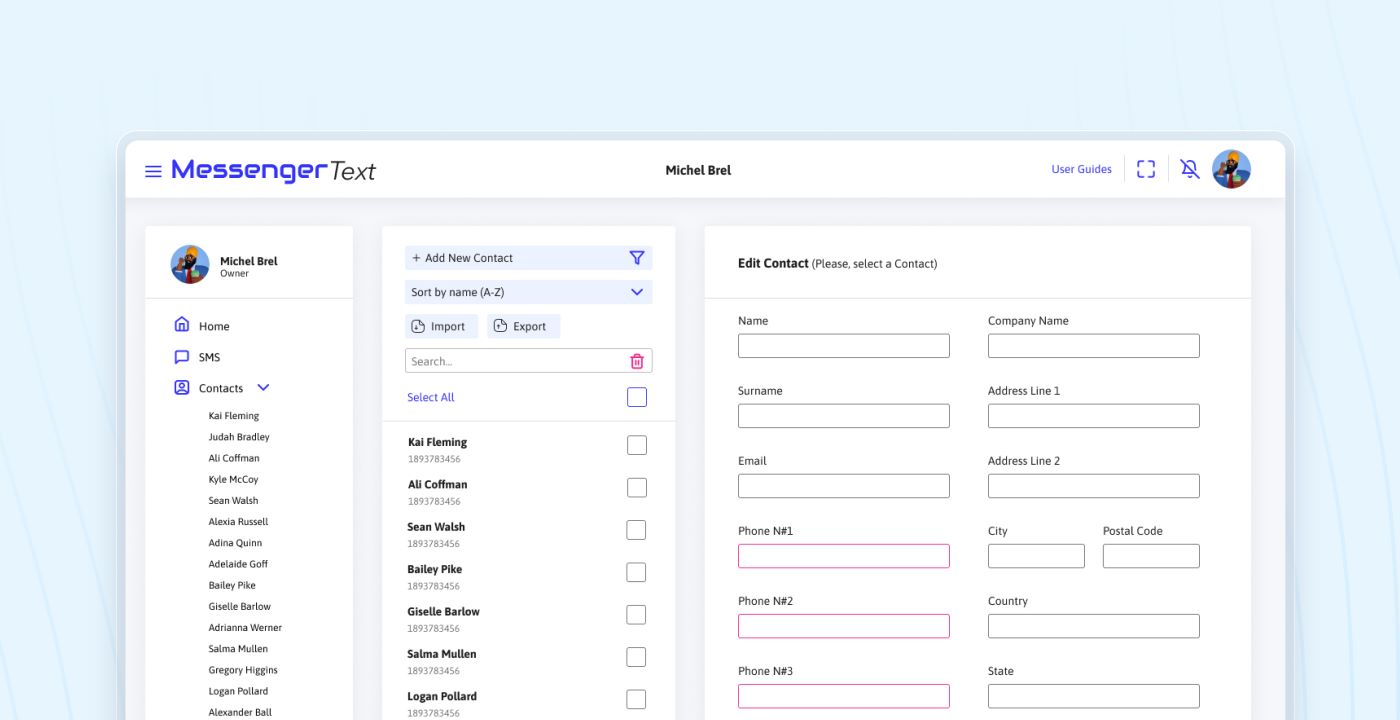
See a Real Softellar Engagement
How Softellar specialists reinforced an existing product team: re-architecting a React-based communication platform into a modular, component-driven codebase with TypeScript, unit tests, and Storybook documentation.
Conclusion
Resource augmentation isn't a replacement for having a real team. It's a way to get that team the specific skills it's missing, exactly when it needs them, without the cost and delay of permanent hiring or the loss of control that comes with handing a project to an outsourcing company. Done well, with clear roles, real documentation, and communication that's actually maintained, it's one of the more low-risk ways to solve a temporary skills gap. Done carelessly, it just becomes a slower, more expensive version of the same problem it was supposed to fix. The difference is almost entirely in the setup, not the model itself.


