 Azure
 AWS
 Google Cloud
North America
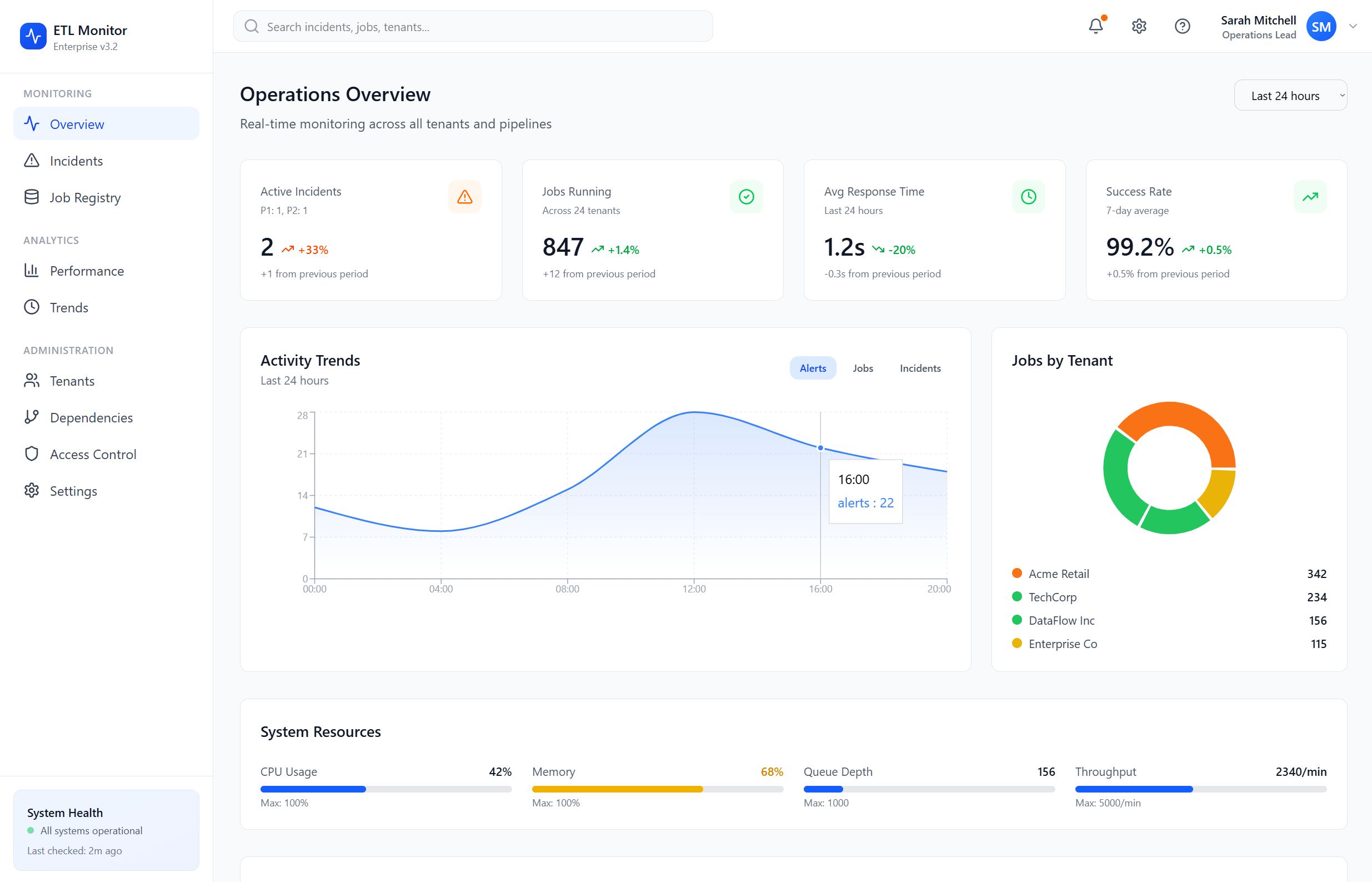
ETL monitoring: a multi-tenant event platform on Azure
Outcomes
- Materially faster incident triage
- Strong reduction in alert noise
- Shorter time-to-first-dashboard for new tenants
- .NET
- Next.js
- Temporal
- Azure


Cloud Architecture Services
Cloud platforms on Azure, AWS and Google Cloud, designed for scale, security and a predictable bill, with the reason for each choice written down.
We reply within 24 hours
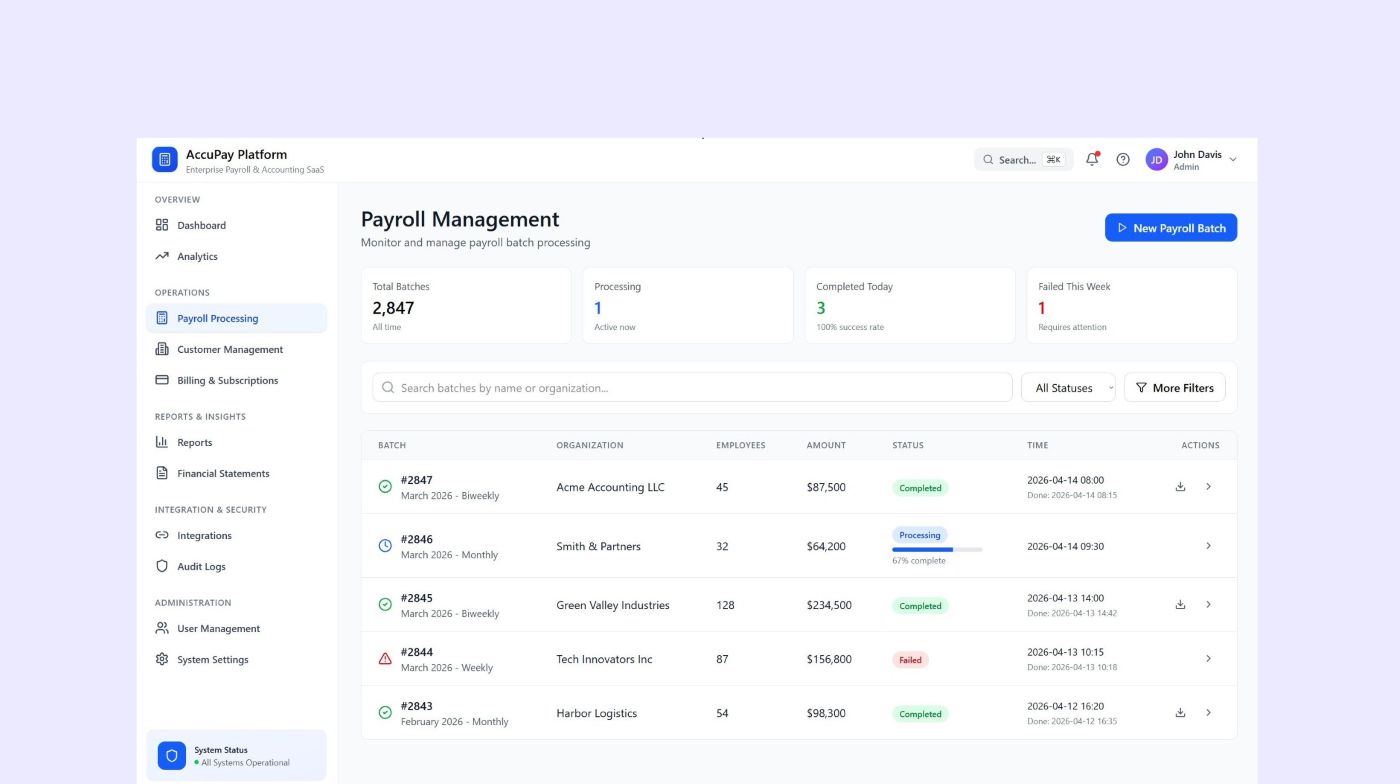
Accounting SaaS on Azure
APIStateless .NET APIs
Payroll peaks scale out, with no sticky sessions
MessagingAzure Service Bus
Batch-heavy work kept away from interactive users
DataAzure SQL and Blob Storage
Audit volume kept out of SQL, so costs stay predictable
SecretsAzure Key Vault
Database, Stripe and provider credentials, with rotation
 Multi Radiance Medical
 Loma Lux Laboratories
 WellVu
 Commercial Capital Group
 Grand Auto
 HostMy
 Land Base
 Auto Tuning
The six parts we design for every platform on Azure, AWS or Google Cloud, and how they fit together.
Your cloud
Accounts and subscriptions, networks, VPN to your offices and the rules between them.
 Terraform
Where the services run, from containers on Kubernetes to serverless functions, and how they talk.
 Docker
 Kubernetes
 Helm
 Kafka
Which database holds what, where files and audit history go, and what gets cached.
 PostgreSQL
 SQL Server
 MongoDB
 Redis
Sign-in and roles, managed identities, secrets in a vault, encryption and private endpoints.
Scaling rules, retries and dead-letter queues, backups, and how the platform recovers from a failure.
Infrastructure as code, CI/CD pipelines, monitoring and cost alerts for every environment.
Terraform ArgoCD
Starting from a legacy system? Some applications need modernizing before the new platform can carry them.
See legacy modernizationMulti-tenant platforms, event pipelines and regulated SaaS, designed by our architects and built by the same team.
North America
Outcomes
Three clients on the cloud platforms we designed and built for them, each linked to the project.
They took the time to understand our business needs and provided a cloud native solution with microservice architecture that exceeded our expectations.
Eugene Baronetsky
Managing Director, Commercial Capital Group LLC
Their innovative solutions helped us streamline our processes and gain valuable insights that have positively impacted our business.
Max Kanarsky(LinkedIn profile, opens in a new tab)
CEO, Multi Radiance Medical
They are one of the most customer-focused teams.
Robert Ozersky
Project Manager, Loma Lux Laboratories
Each answer is a decision from a platform we built, with the reason we made it and what it changed.
Stateless APIs
Payroll peaks scale out with no sticky sessions; all durable state lives in SQL, blobs or queues.
Accounting SaaSKubernetes with isolated deployments
Each core business unit scales on its own, with consistent performance under load.
Real estate platformService Bus with retries and dead-letter
Batch-heavy work is decoupled from users, and operators can inspect what a provider broke.
Accounting SaaSCollector split from the admin API
High-volume ingestion is isolated from configuration, limiting the blast radius of either tier.
ETL monitoring platformBlob Storage for audit volume
Keeps relational costs predictable while retaining immutable records under retention policies.
Accounting SaaSValkey on the hot path
Sub-millisecond checks with a TTL fit deduplication better than load on the relational database.
ETL monitoring platformtenant_id on every table and API path
Isolation mistakes cannot leak events across customers or mix data loads between tenants.
ETL monitoring platformRow-level filters in the database
Partner scope is enforced on shared tables, so sensitive data never crosses tenant boundaries.
Lending platformAzure OpenAI behind private endpoints
Answers investor and partner questions about model data handling without blocking AI features.
Lending platformKey Vault and least-privilege identities
Credentials live in a vault with rotation playbooks; services get only the access they need.
Accounting SaaSResult
Investor conversations improved with a concrete architecture and AI control narrative
Lending platformTerraform and Azure Container Apps
Repeatable environments per stage, aligned with the client's cloud direction and autoscaling needs.
ETL monitoring platformApp Service slots with smoke tests
Every deployment is tested in a slot before it is swapped into production.
Lending platformMost platforms need one cloud used well. Here is when the other two are worth their extra moving parts.
Most new platforms. One provider's managed services used fully, with one bill and one set of skills to run it.
Some systems have to stay on-premises for a while or for good. The two sides are joined over a site-to-site VPN.
Where we used it
Customers or regulators require more than one provider. A portable layer keeps it workable, at a higher running cost.
Where we used it
No published multi-cloud project yet.
Share your current or planned platform, and a cloud architect will point out what to decide first.
We reply within 24 hours and can sign an NDA first.
Design first, then a proof of concept for the riskiest parts, then the build. Each phase ends with something you can review.
011-2 weeks
We learn what the platform has to do, who uses it, what it runs on today and what constrains it: budget, regulation, skills and deadlines.
022-4 weeks
We answer the hard questions: peak load, failures, data, tenants, access and releases, and choose the services for each part.
031-2 weeks
The riskiest choices are built small and tested before anyone commits to them.
041-2 weeks
The design becomes a plan: phases, dates, people and the risks to watch.
054-12 weeks
We build the platform as code, environment by environment, or guide your team while they build it.
06Ongoing
Once real traffic arrives, we tune cost and performance and adjust the design as the product grows.
The design is written down, so your team or ours can build it, run it and change it later.
architecture/
Handed over to you
diagrams/
Context, service and network diagrams of the target platform.
decisions/
One record per decision: the options, what we chose and why.
cost-model
Expected monthly cost per environment, and what drives it up or down.
security-and-access
Who and what can reach each part, plus encryption, secrets and logging.
infrastructure/
Infrastructure as code for the landing zone and every environment.
roadmap
Implementation phases, dates, the team needed and the risks to watch.
Headquartered in Warsaw, Poland, with a client office in New York. A European engineering team that works in your hours, with a US point of contact.
Headquarters
Engineering and delivery, and the main contact point for clients in Europe.
Client office
Kickoffs, contracts and account management for North American clients.
Clients in Europe share the full working day with the team.
8 AM to 12 PM New York time, 2 PM to 6 PM in Warsaw.
Engineering in Warsaw, a client office in New York, and working hours that overlap with US Eastern Time.
Our architects design the platform, validate the risky parts and hand over a plan, or build it with you.
Best for
A new platform or a redesign, where you want one team accountable for the architecture.
Cloud and DevOps engineers who build the platform you designed with us and keep running it.
Best for
A platform that will keep growing after the first release.
Our cloud and DevOps engineers join your team for the parts that need specific experience.
Best for
An in-house team that owns the architecture and needs extra hands to build it.
Not sure which model fits your platform? Tell us what the platform has to do and what constrains it, and we'll suggest the model that fits. The consultation is free.
Book a free consultationFour cloud awards come first here, next to our Clutch, TechReviewer and GoodFirms recognition.

Top Cloud Consulting Company 2025
TechReviewer
Most Reviewed Cloud Consulting Company, Poland 2024
The Manifest
Top Cloud Computing Companies 2024
TopDevelopers
Top Cloud Computing Company 2024
GoodFirms

Top Software Developers 2026
TechReviewer

Champion, Fall 2024
Clutch

Global Leader, Fall 2024
Clutch

Best Company to Work With
GoodFirms
Related reading
Guides from our engineers on infrastructure as code, cloud storage and building secure applications.
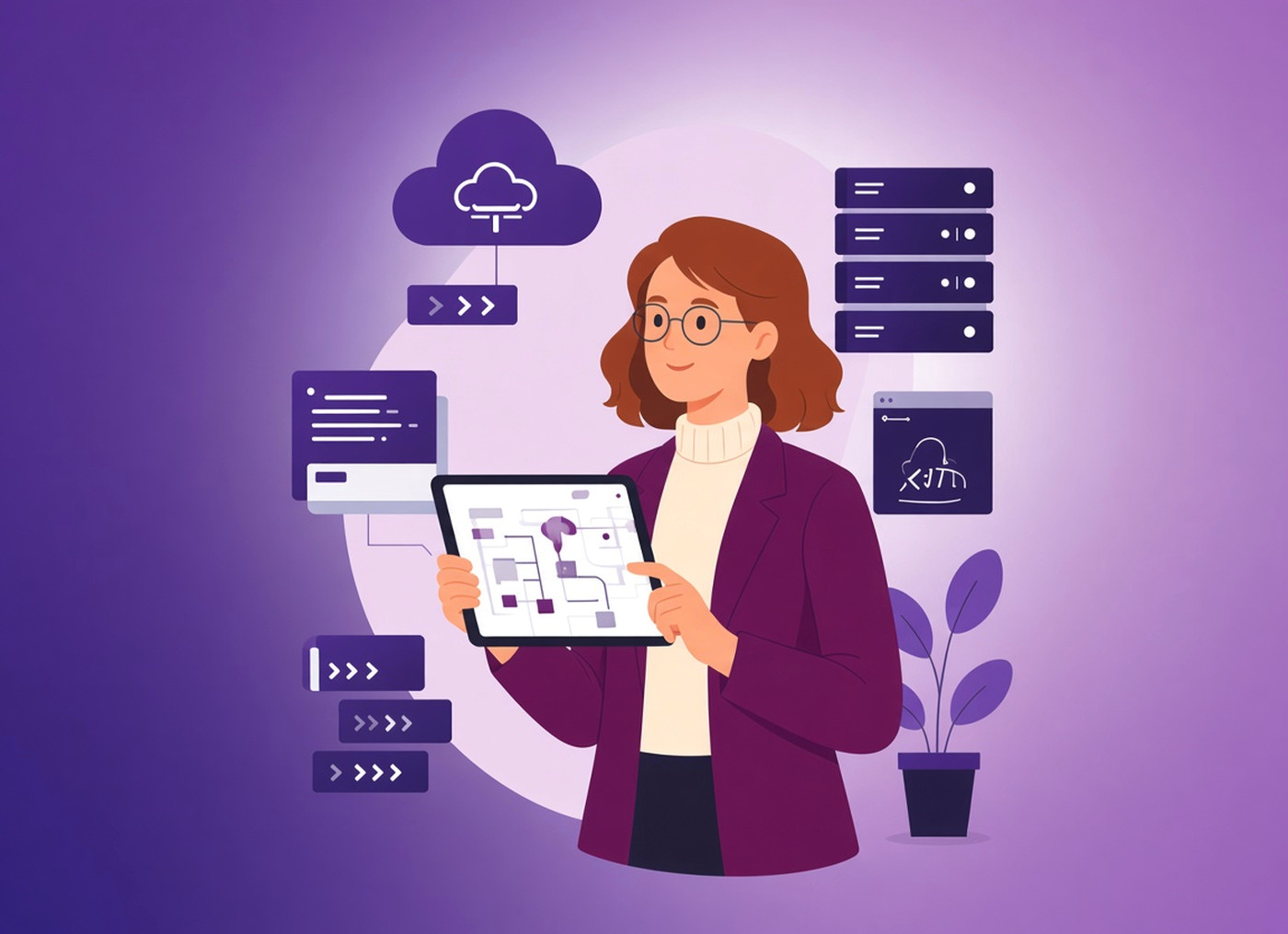
33 min readAudio version available
What is infrastructure as code (IaC)? How it works in DevOps, how to choose between Terraform and Bicep, how to secure it, and how to get started.
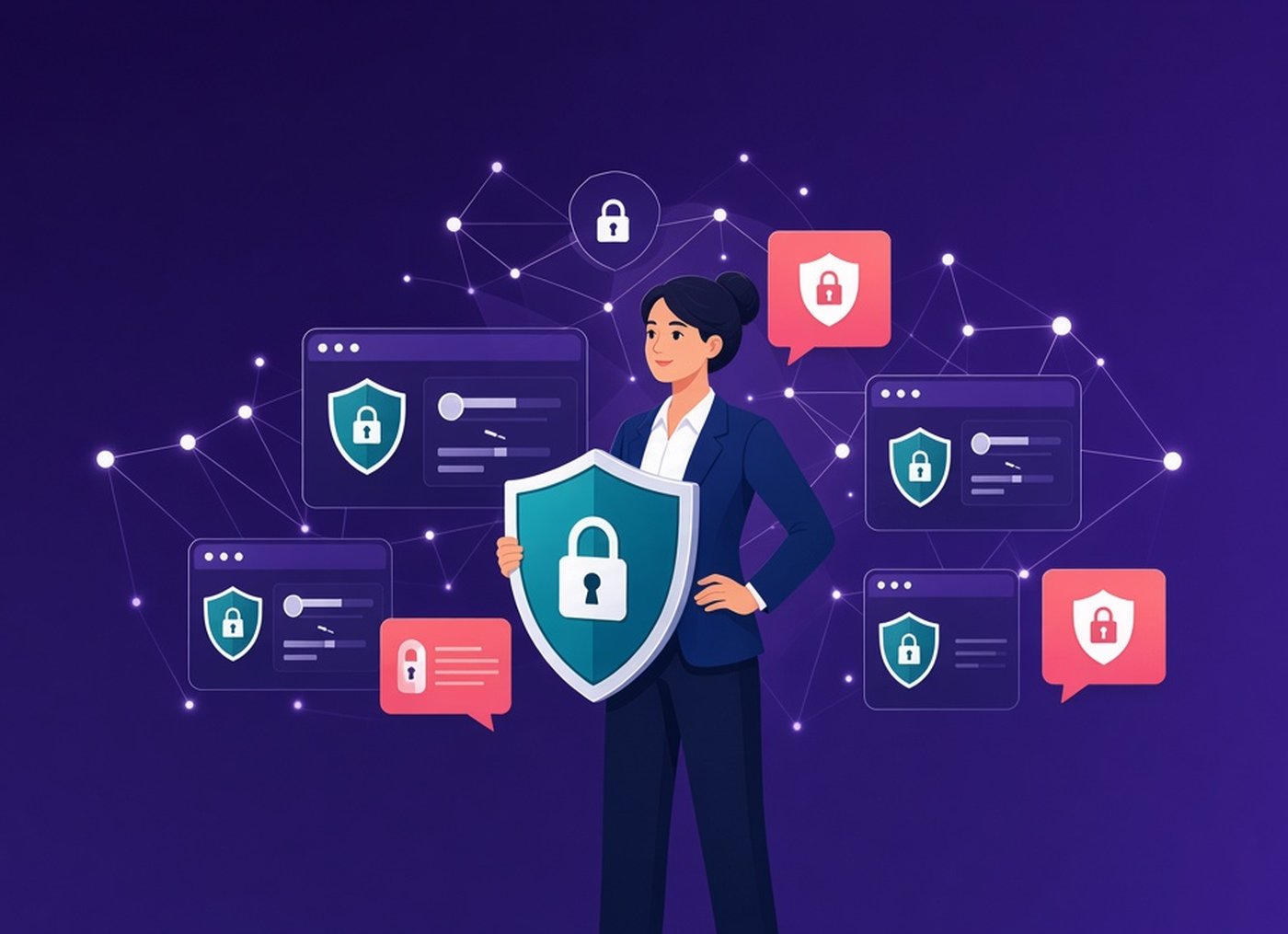
29 min readAudio version available
Practical web security best practices for every stage: secure coding, testing, deployment, and monitoring, plus a pre-release checklist.

5 min readAudio version available
Cloud storage selection is about choosing solutions that grow with your business. This guide reveals key factors successful organizations consider.
Answers to common questions about our cloud architecture services and design process.
Have a different question? Talk to our team
Tell us what the platform has to do and what constrains it.
We reply within 24 hours, and we can sign an NDA before you share details.
Talk to the people who will scope your project