United States
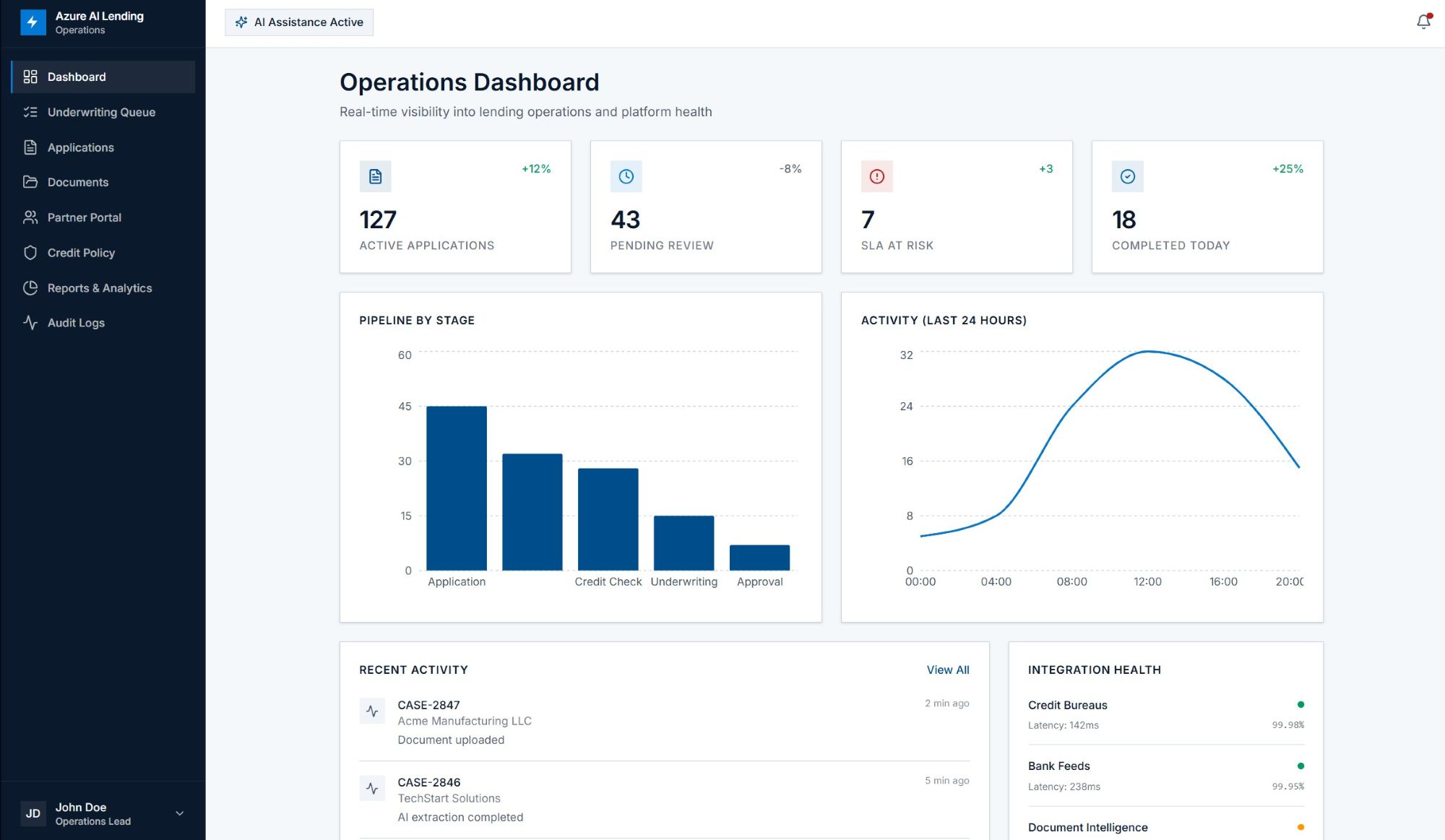
AI lending platform for a US private credit marketplace
Outcomes
- Faster cycle times on cleared applications
- Fewer rework loops on document packages
- Higher borrower completion rates
- .NET
- Angular
- Azure
- Azure OpenAI


Python Development Company
A Python product works out answers: a rule, a calculation over your data, a trained model, a language model. We build the simplest one that answers the question, show how each is checked, and hand over the code.
We reply within 24 hours
 Multi Radiance Medical
 Loma Lux Laboratories
 WellVu
 Commercial Capital Group
 Grand Auto
 HostMy
 Land Base
 Auto Tuning
Take a parcel tracking service. Four questions it answers, each less certain than the one before and built on it:
01 A rule
The same answer every time
02 A calculation
Exact, when the data is
Builds on a ruleA parcel counts as late when the rule says so.
03 A trained model
Right most of the time
Builds on a calculationTrained on the history the calculation cleaned.
04 A language model
Reads well, so it is checked every time
Builds on a trained modelGiven the answers of the three levels above, never asked to guess them.
We start at the first level that answers the question, and say which one before the build starts.
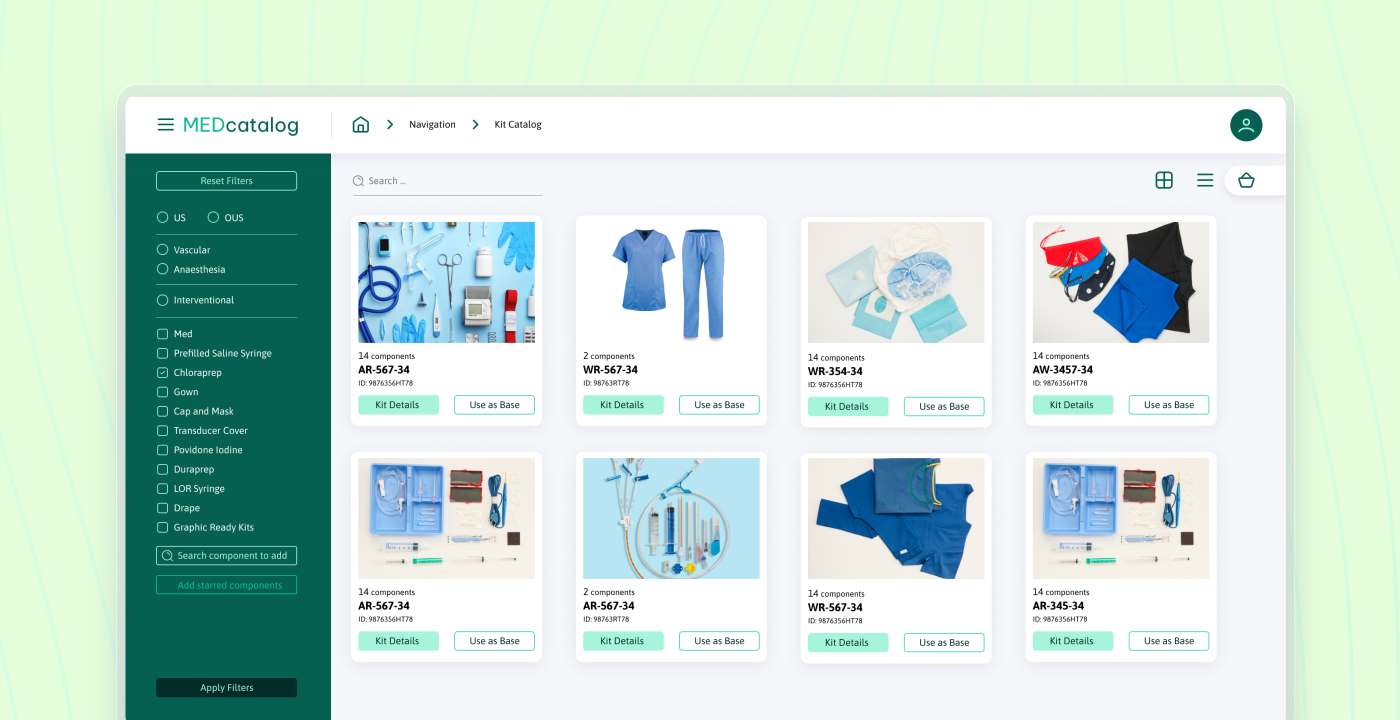
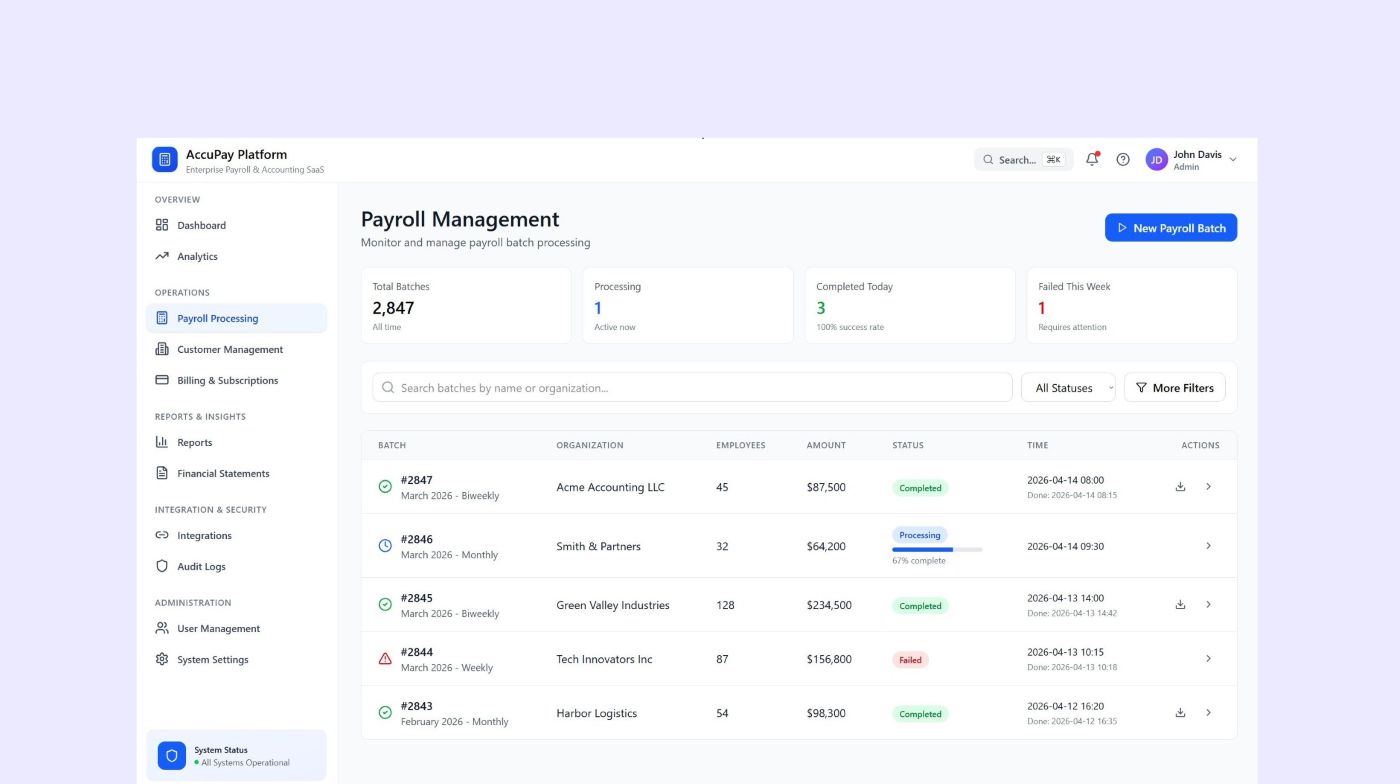
A lending platform with AI assistance, a kit designer checked by rules, invoice models trained per client, a warehouse migration and a payroll suite.
United States
Outcomes
The same six needs, and what Django, FastAPI and Flask hand you for each before we write a line:
| The need | Django | FastAPI | Flask |
|---|---|---|---|
| Accounts and sign-in | Built in | We add it | We add it |
| Admin screens | Built in | We add it | We add it |
| Database models and migrations | Built in | Added with SQLAlchemy and Alembic | Added with SQLAlchemy and Alembic |
| Input checks for an API | Added with Django REST Framework | Built in | Added with Pydantic |
| API documentation | We add it | Built in | We add it |
| Requests that wait without blocking | Built in | Built in | Limited: each request still ties up one worker |
| When we start on it | A product with accounts, records to manage and staff who need an admin from the first week. In the parcel serviceThe depot back office | An API other systems call, with typed input and answers that may wait on a model. In the parcel serviceThe tracking API and the arrival estimate | A small service that does one job and needs little around it. In the parcel serviceThe service that receives carrier scans |
A product with accounts, records to manage and staff who need an admin from the first week.
In the parcel serviceThe depot back office
An API other systems call, with typed input and answers that may wait on a model.
In the parcel serviceThe tracking API and the arrival estimate
A small service that does one job and needs little around it.
In the parcel serviceThe service that receives carrier scans
How it is served
Django and FastAPI are served over ASGI by Uvicorn, and Flask over WSGI by Gunicorn. Calls out to other services go through HTTPX with asyncio, so waiting on a carrier’s API does not hold up other requests.
A reporting platform, a loan offer portal and a thermal imaging engine, each quote linked to its project.
Their innovative solutions helped us streamline our processes and gain valuable insights that have positively impacted our business.
Max Kanarsky(LinkedIn profile, opens in a new tab)
CEO, Multi Radiance Medical
The solution they provided was not only efficient and accurate, but also integrated seamlessly with our existing internal system.
Boris Godes(LinkedIn profile, opens in a new tab)
President, Grand Financial Inc
The team was very responsive, communicated effectively, and were always available to address any questions or concerns we had.
Josh Robertson
VP of Sales, WellVu
Designing and building the part of a product that works out answers: the rules, the calculations over your data, the models trained on it and the language model features, with the APIs, jobs and checks around them. We write it in Django, FastAPI or Flask and hand over the code.
The goal
Every answer comes with how it was worked out and how it is checked.
Python beside .NET: jobs on the ETL monitoring platform report every run through client libraries written for both. ETL monitoring console
Tell us the question the product has to answer, and we will say which level answers it first.
We reply within 24 hours and can sign an NDA first.
Three places a Python product starts from, one line to the same end, each with a project that started there.
We agree which level each answer needs, build the first release and hand over the code.
Custom software developmentStarted hereA portal and the pipeline behind it, rolled out in phases and handed overVehicle financing portal5 people, 8 monthsA team turns what works on one laptop into a product, with data arriving, an API, tests and a screen.
Dedicated Python teamStarted hereAn ML specialist beside the developers and QA, training and fine-tuning the modelsInvoice recognition SaaS5 people, 8 monthsEngineers join your team and work in your repository, your reviews and your releases.
Python staff augmentationStarted hereEngineers in the client’s team, shipping masking rules that non-technical users configurePatient data de-identification tool3 people, 6 monthsThe code, the data and the checks, in repositories in your name.
Rules edited without a release, reports in minutes and fewer corrections by hand. Six results, by level:
Layout rules are edited by business users, and no code is redeployed when they change.
A rule on the medical kit configuratorLegacy outputs were compared with the new services for representative tenants, across wage bases and states.
A rule on the cloud accounting suiteReporting lead time fell from hours to minutes once the workflows ran in the cloud warehouse.
A calculation on the retail data pipelines on Google Cloud90% of manual data workflows were automated, with self-service reporting for more than five departments.
A calculation on the healthcare analytics platformManual correction requests fell by more than 60% as the models learned each client’s invoices.
A trained model on the invoice recognition SaaSThe primary cause and the blast radius showed early, so whoever led an incident moved faster.
A language model on the ETL monitoring consoleHeadquartered in Warsaw, Poland, with a client office in New York. A European engineering team that works in your hours, with a US point of contact.
Headquarters
Engineering and delivery, and the main contact point for clients in Europe.
Client office
Kickoffs, contracts and account management for North American clients.
Clients in Europe share the full working day with the team.
8 AM to 12 PM New York time, 2 PM to 6 PM in Warsaw.
TechReviewer and TopDevelopers ranked us among top software developers, TopDevelopers listed us for big data, and Clutch named us a Global Leader.

Top Software Developers 2026
TechReviewer
Top Software Developers 2024
TopDevelopers
Top Big Data Companies 2024
TopDevelopers

Global Leader, Fall 2024
Clutch
Related reading
Guides from our team on choosing a programming language, the two kinds of machine learning, and reading invoices with OCR.

30 min readAudio version available
Supervised vs unsupervised learning explained: key differences, real examples, working Python code, how to measure results, and how to choose
26 min readAudio version available
How OCR invoice processing works, what accuracy and savings to expect, and how to implement it - or build your own system.
55 min readAudio version available
Explore our programming languages list for 2026, from Python and TypeScript to Java, C++, Go and Rust. Compare top coding languages, uses, pros and cons.
Questions companies ask before they have a product built in Python.
Have a different question? Talk to our team
Tell us what the product decides, the data it has and who reads the answer.
We reply within 24 hours, and we can sign an NDA before you share details.
Talk to the people who will scope your project