Softellar

Enterprise Application Design

Enterprise Application Design, Worked Out Role by Role

We design the roles, workflows, screens and integrations of business-critical applications, then build them with the same team.

Discuss your application

We reply within 24 hours

An application we designed

AI lending platform, five roles

  • BorrowerApplication workspace

    Own applications
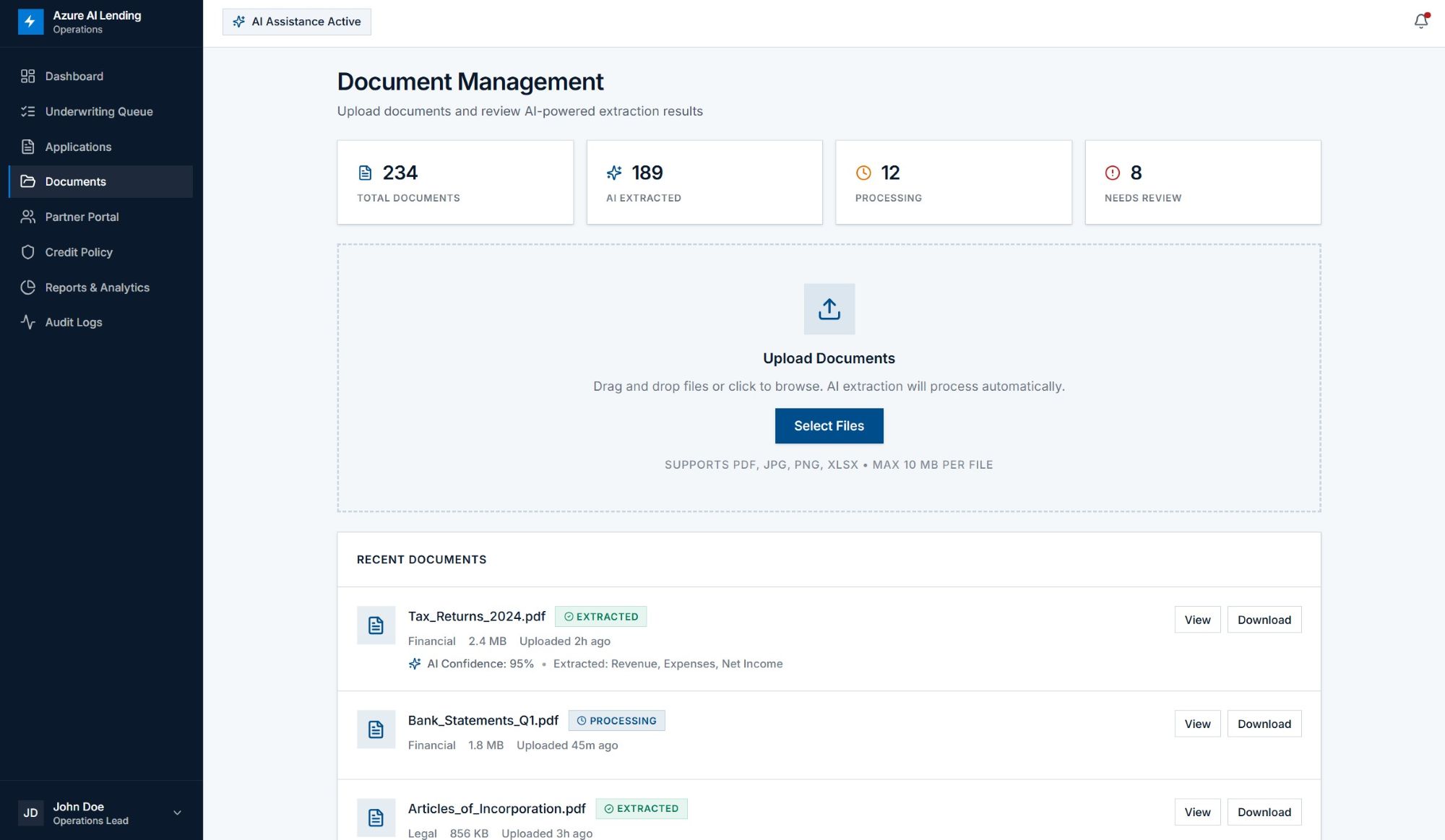
  • AnalystDocument intake

    Files and parsed fields
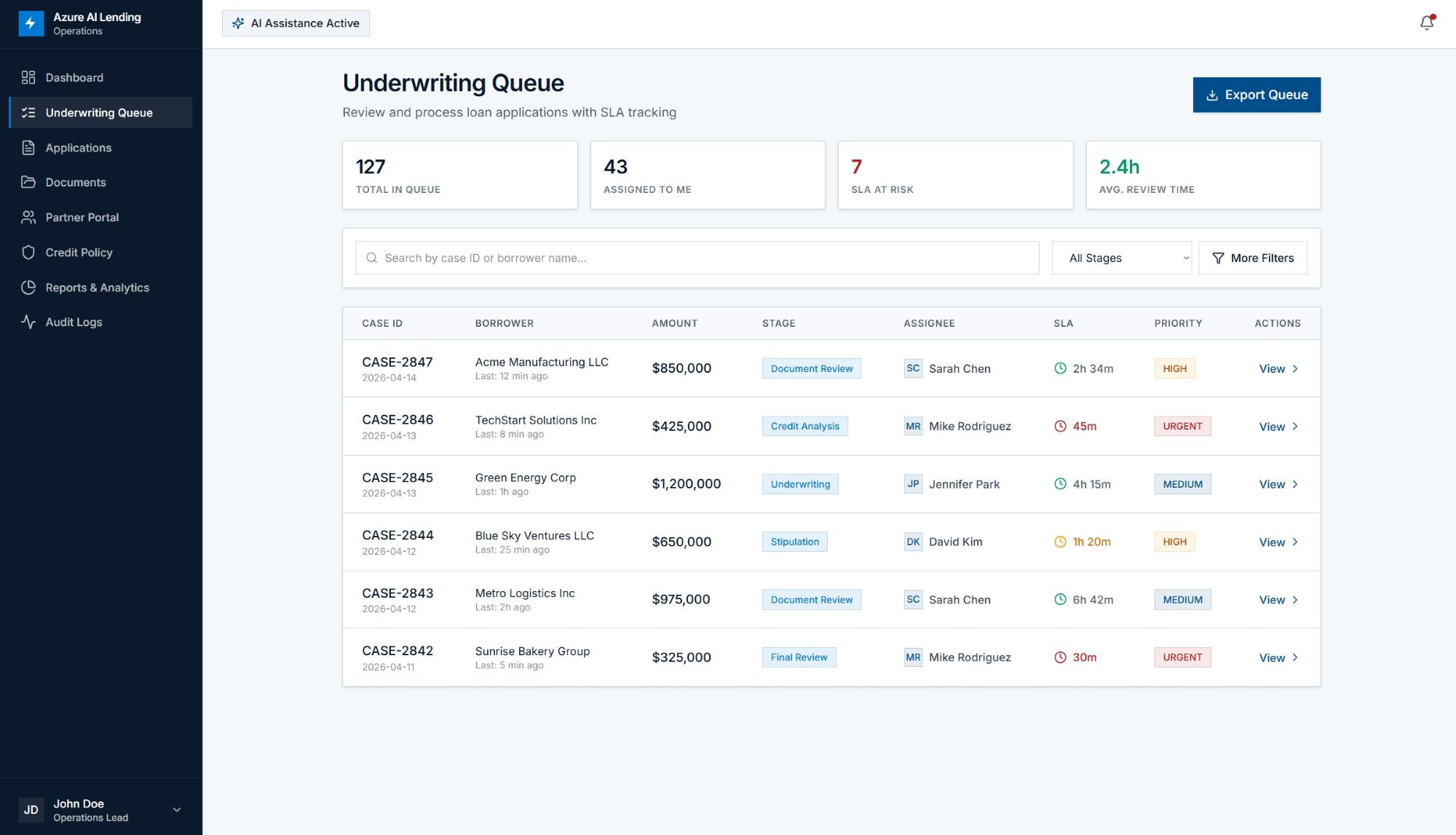
  • UnderwriterUnderwriting queue

    Assigned cases
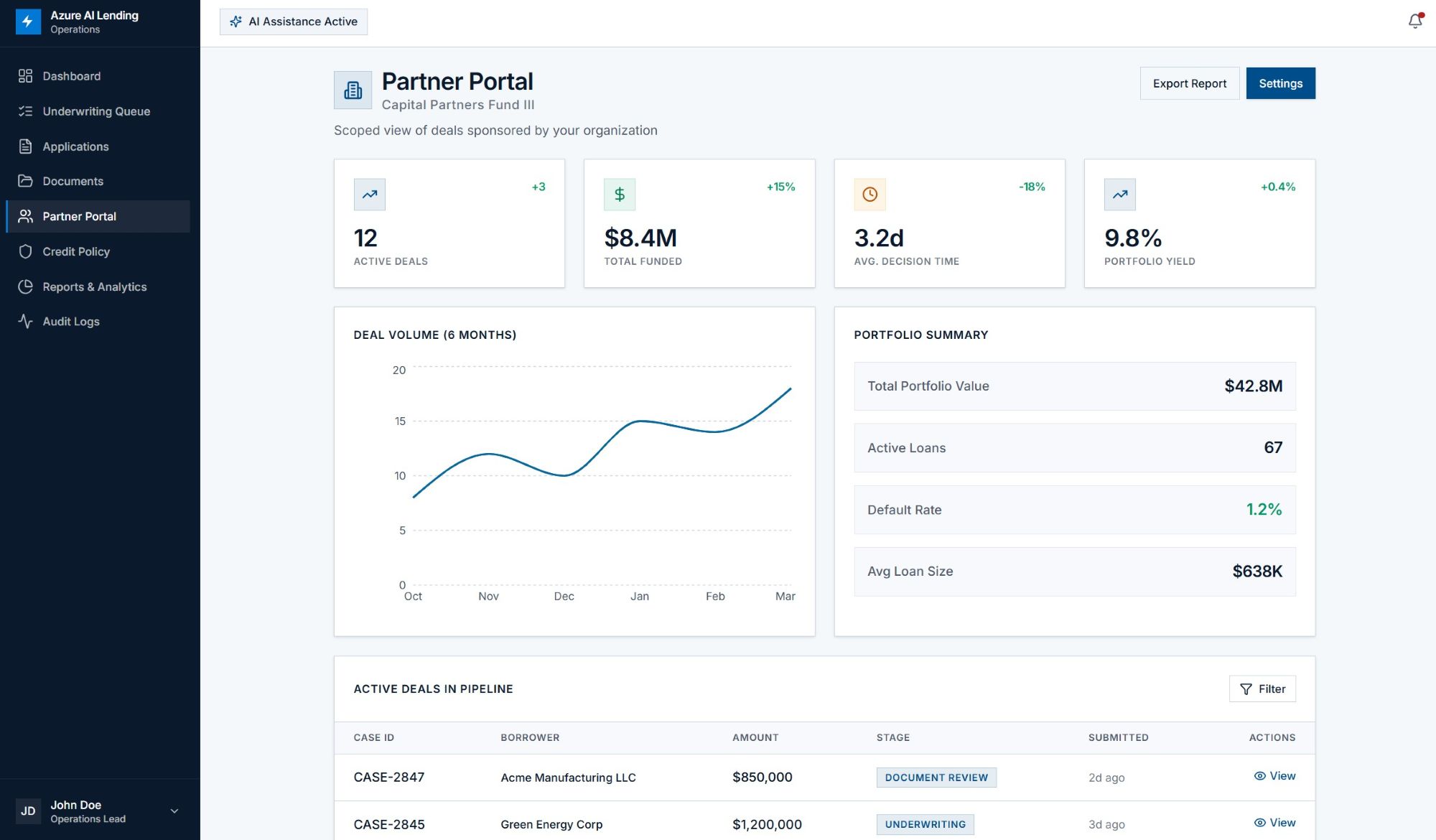
  • Partner lenderPartner portal

    Sponsored deals only
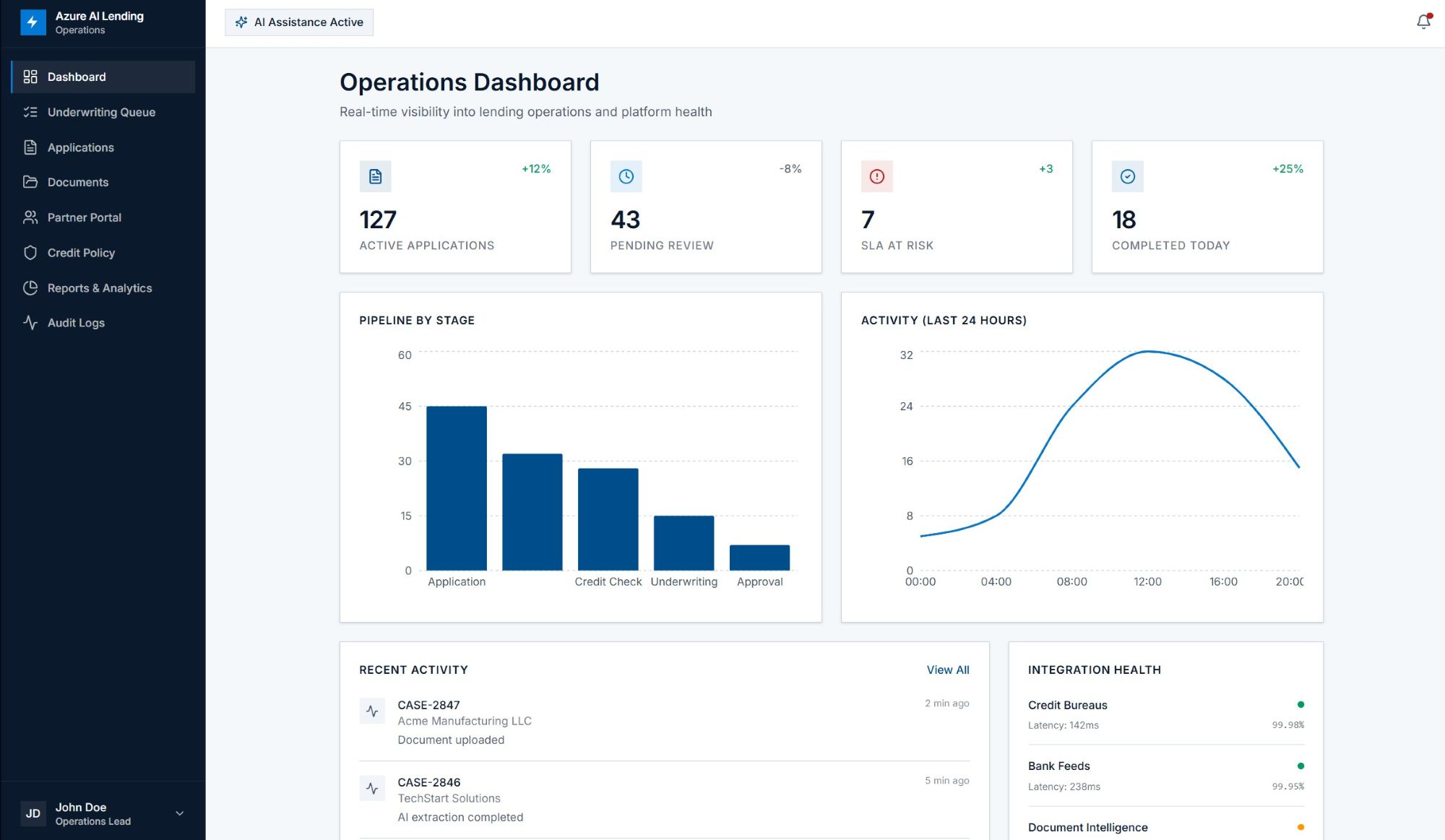
  • LeadershipOperations dashboard

    Whole pipeline

Every desk shares one case_id, so the audit view stays coherent.

Read the case study · 6 specialists · 11 months
Clutch rating, 12 reviews
5.0
Projects since 2021
70+

Companies we have built software for

  • Multi Radiance Medical
  • Loma Lux Laboratories
  • WellVu
  • Commercial Capital Group
  • Grand Auto
  • HostMy
  • Land Base
  • Auto Tuning

One Lending Platform, Five Desks

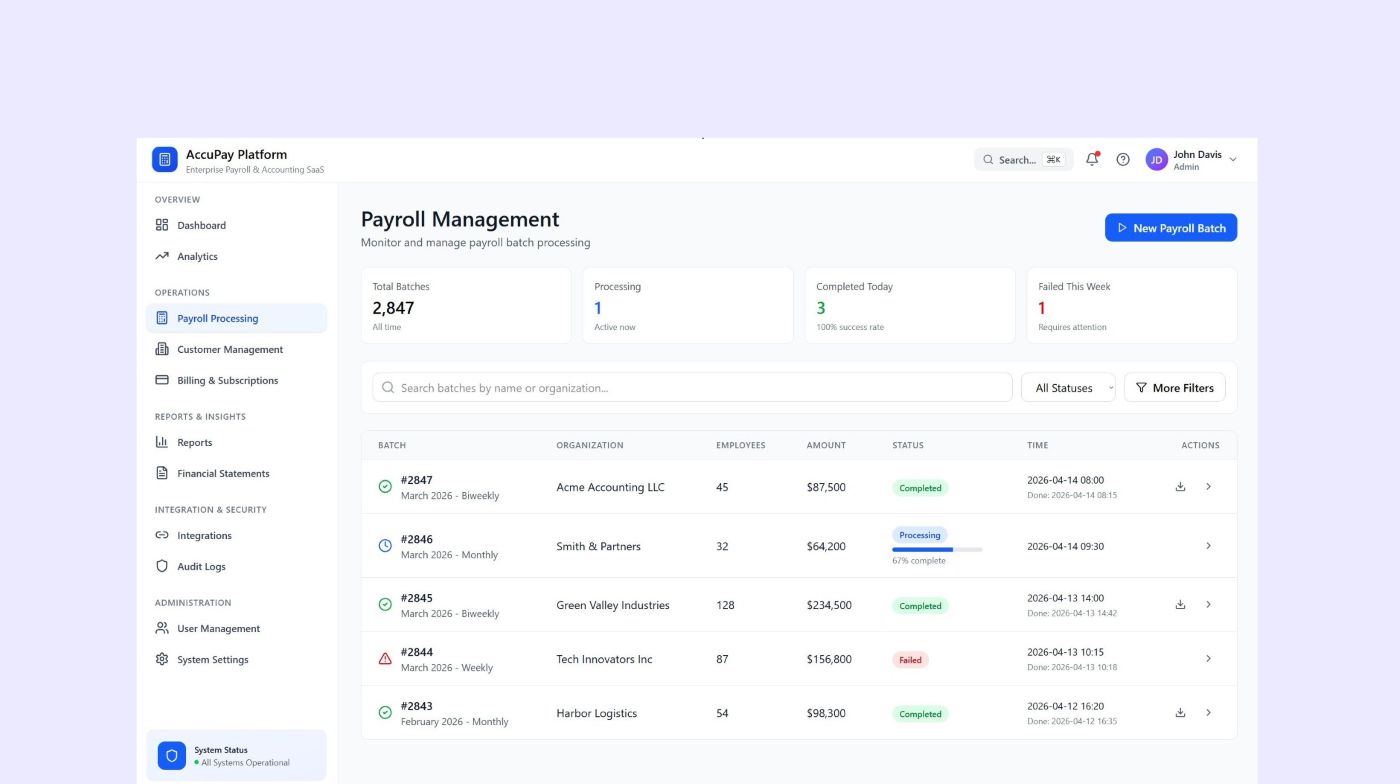
An AI lending platform we designed and built, shown desk by desk: who works there, what they do and what the design keeps from them.

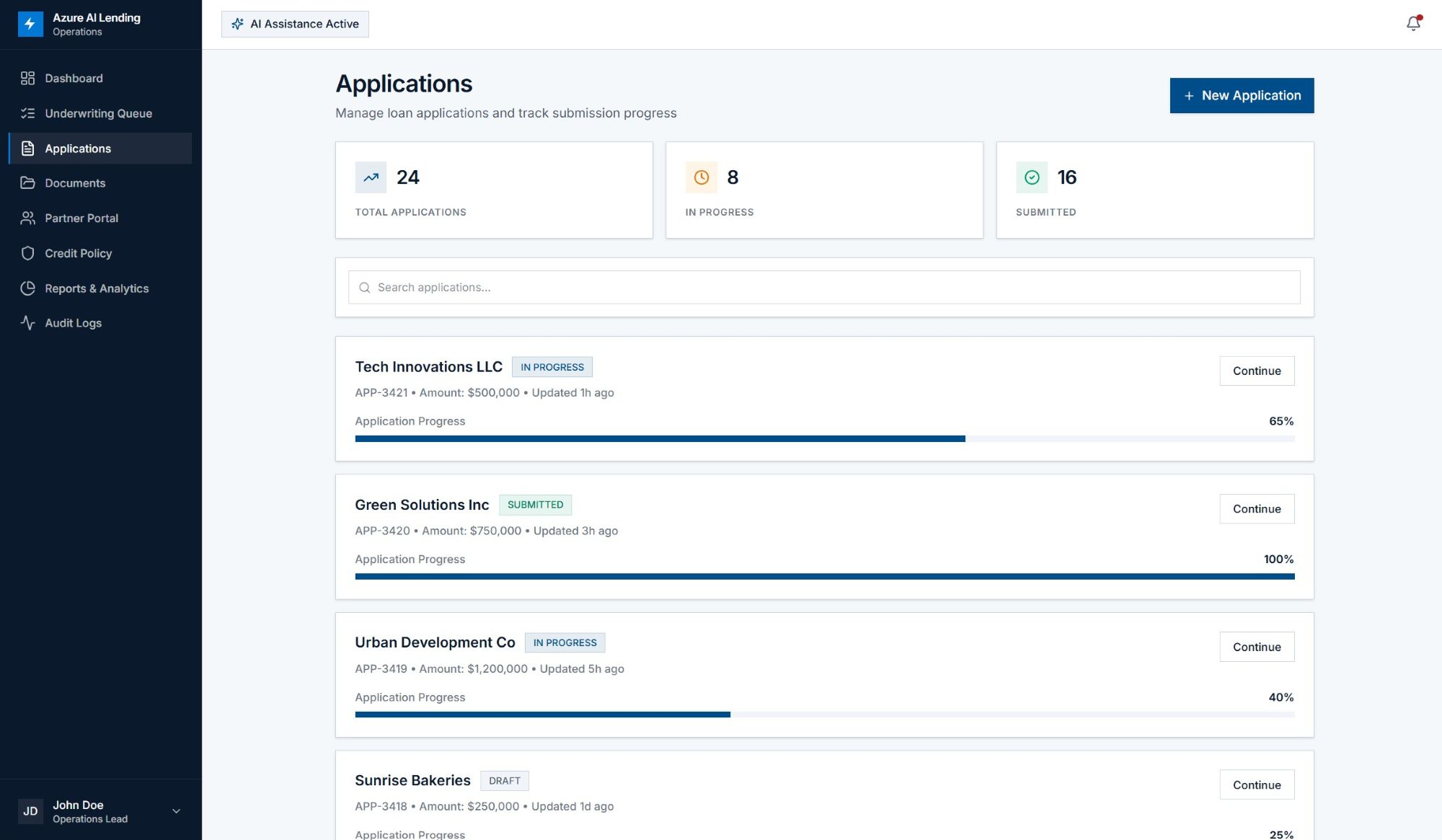
Application workspace · signed in as borrower
Borrower application workspace with applications in progress and their completion
Sees
Their own applications, the step they are on and what is required next.
Does
Applies in guided steps and uploads the documents requested.
Design rule
Scores are explained in plain language, without exposing restricted attributes.

Applications We Designed and Built

Platforms for lending, real estate, payroll and healthcare, each designed around its roles and built by the same team.

United States

Real estate investment: one platform for lending, assets and clients

Disconnected systems replaced by one platform for client onboarding, loans, assets and analytics, with Azure AD roles for clients, admins, lenders and support staff. Team of 5, 14 months.

  • .NET
  • C#
  • Angular
  • Docker

Clients on Applications We Designed

Three clients whose daily work runs on an application we designed and built, each linked to the project.

Follow One Case Through the Design

One loan application, from the borrower to the partner lender: the desk that owns each stage and the rule the design fixes there.

case_idOne identifier, carried by every desk

  1. Borrower

    01Application

    Clear status at every step, so applicants know what is required next.

  2. Analyst

    02Document review

    Weak extraction falls back to a manual correction queue, not silent wrong numbers.

  3. Underwriter

    03Underwriting

    SLA timers and exception paths, so stipulations clear without losing context.

  4. Underwriter

    04Decision

    AI can suggest, but any pricing or term change waits for a person to approve it.

  5. Partner lender

    05Partner view

    Only the sponsoring lender sees the case, with watermarked documents.

Every stage change is recorded. Applications move through explicit stages with immutable event rows for compliance review.

What we design for every application

  • Roles and access

    Who signs in, what each role can see and change, and where the boundaries between them sit.

    Security consulting
  • Workflow and states

    The stages a record moves through, who owns each one, and what happens when it stalls.

  • Screens

    The desk each role works at, shaped with the people who will use it every day.

    Web development
  • Data and records

    The system of record, where documents are kept and what the reports read from.

    Data architecture
  • Integrations

    The systems it connects to, such as banks, payment providers or your ERP, and what happens when one fails.

    Software architecture
  • Audit and operations

    Who changed what and when, and the monitoring and releases that keep the application running.

    Cloud architecture

Three Places a Design Starts

Most enterprise applications replace several tools, move an old product to a new platform, or add a layer to systems that stay.

Replacing a system people still depend on? Legacy modernization covers moving the work across in phases.

See legacy modernization

Who Does What in Your Application?

Describe the roles and the work that passes between them, and we'll suggest where the design should start.

We reply within 24 hours and can sign an NDA first.

Have files or a long brief? Use the full form

How a Design Project Runs

From the first workshop to the first release, with one team. Each phase ends with something you can review.

  1. 011-2 weeks

    Discovery

    We review the workflows and tools in use today and talk to the people who will work in the application.

    • Workflow and tool review
    • Stakeholder interviews
    • Goals the design is measured against
  2. 021-2 weeks

    Roles and workflows

    Who uses the application, what each role can see and change, and the stages a record moves through.

    • Roles and access model
    • Workflow stages and owners
    • Shared data model
  3. 032-4 weeks

    Screens and prototype

    The desk for each role, drawn and clicked through with its users before anything is built.

    • Wireframes per role
    • Clickable prototype
    • Review with your users
  4. 041-3 weeks

    Architecture and integrations

    How the application splits into services, where the data lives and how it connects to the systems you keep.

    • Service and data design
    • Integration contracts
    • Security and access design
  5. 056-12 weeks

    MVP build

    The first release for one group of users, built by the team that designed it.

    • Working MVP
    • Automated tests
    • CI/CD and environments
  6. 06Ongoing

    Rollout and support

    User training, documentation and live support at launch, then fixes and new features as it grows.

    • Training and documentation
    • Post-launch fixes
    • New features

US Office, European Engineering

Headquartered in Warsaw, Poland, with a client office in New York. A European engineering team that works in your hours, with a US point of contact.

Headquarters

Warsaw, Poland

Engineering and delivery, and the main contact point for clients in Europe.

Client office

New York, United States

Kickoffs, contracts and account management for North American clients.

Shared hours with North America

Clients in Europe share the full working day with the team.

8 AM to 12 PM New York time, 2 PM to 6 PM in Warsaw.

Three Ways to Start

Engineering in Warsaw, a client office in New York, and working hours that overlap with US Eastern Time.

Not sure which model fits your application? Tell us who will use it and what work passes through it, and we'll suggest the model that fits. The consultation is free.

Book a free consultation

Recognized for Application Design

Three UX/UI design awards come first here, next to our Clutch, TechReviewer and GoodFirms recognition.

Related reading

Read Before You Scope

Guides from our engineers on low-code trade-offs, sprint zero and enterprise digital transformation.

All Insights

Frequently Asked Questions

Answers to common questions about how we design enterprise applications and who builds them.

Have a different question? Talk to our team

Who Will Use the Application?

Tell us who will use it and what work passes through it.

We reply within 24 hours, and we can sign an NDA before you share details.

Talk to the people who will scope your project