North America
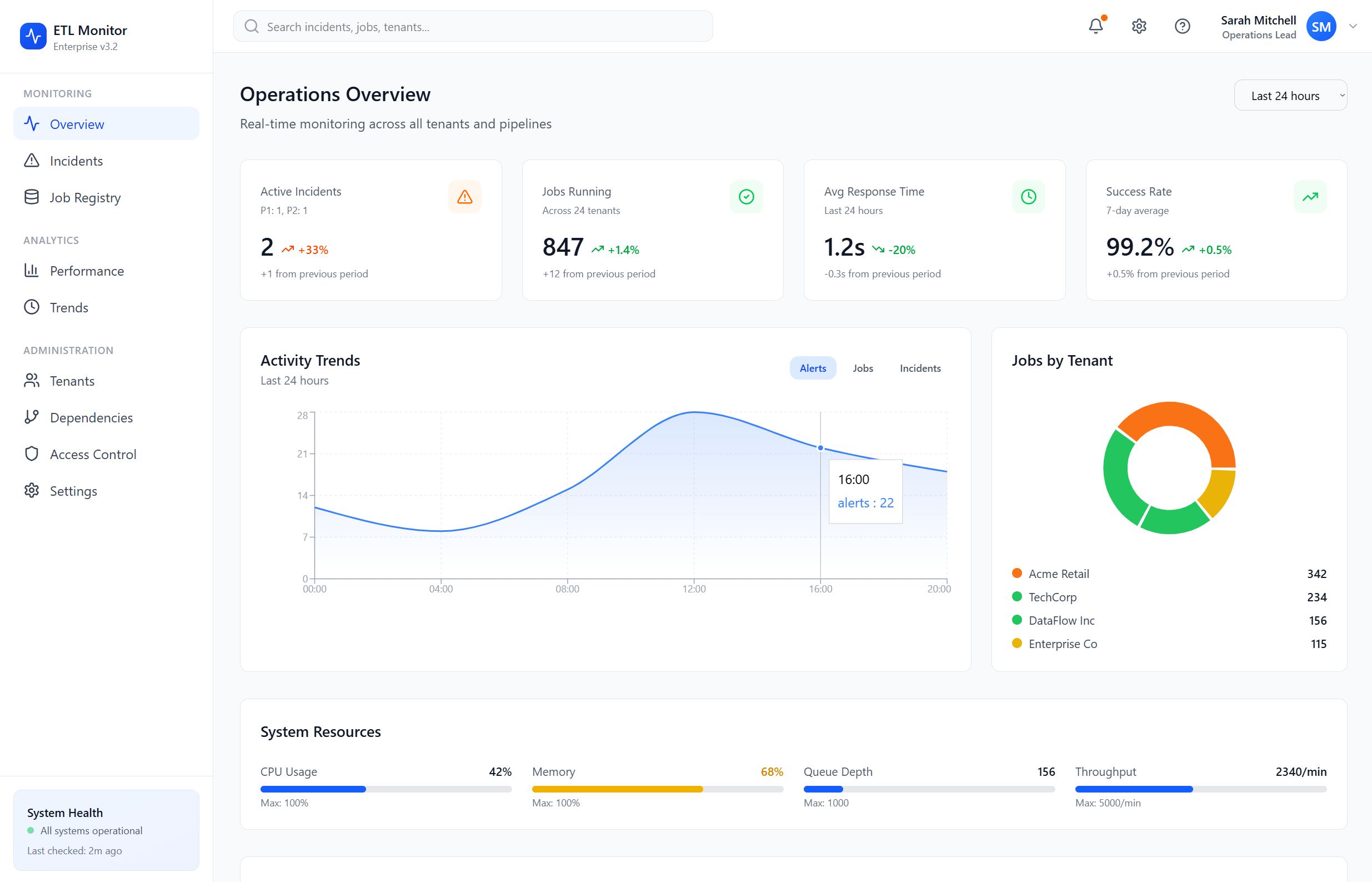
ETL monitoring across hundreds of warehouse jobs
Outcomes
- Materially faster incident triage
- Strong reduction in alert noise
- Shorter time-to-first-dashboard for new tenants
- .NET
- Next.js
- Temporal
- Azure


AI Agent Development
We build agents that carry a multi-step task across your systems and propose each change for a person to approve. The workflow sets the limits, and every step is logged.
We reply within 24 hours
Incident
Nightly orders load failed
Add retry to orders load
Awaiting reviewNothing changes until a reviewer approves.
 Multi Radiance Medical
 Loma Lux Laboratories
 WellVu
 Commercial Capital Group
 Grand Auto
 HostMy
 Land Base
 Auto Tuning
Pick a job and see what starts it, the steps it takes, what it hands a person to approve and what it may never do.
One incident with the likely cause, the affected jobs and what to check first
A pull request with a plain-language description of the change
A record update or a message to the supplier, ready to send
A drafted reply and an action, such as a replacement or a refund
A report where each figure points to the query behind it
CRM updates and a follow-up, each one a click to accept
A packet with every gap listed and the request to the applicant drafted
AI triage that drafts fixes as pull requests, a lending platform with human approval on terms, then offer sync, invoice recognition and data analytics.
North America
Outcomes
Pick a level and watch the same eight actions move between what the agent does alone, what waits for a person and what never happens.
The agent investigates and writes up what it found. Anything that writes waits for a person.
Does alone1
Waits for approval5
Never2
Tickets, pull requests and drafts are its own. Applying any of them still waits for approval.
Does alone3
Waits for approval4
Never1
Reversible steps inside set limits run on their own. Money, merges and customer data still wait.
Does alone5
Waits for approval2
Never1
Merge a change or deploy to production
Refund, pay or change a price or term
Read secrets, source files or connection strings
An agent moves up a level when its proposals at the current one are accepted as they are, and a person signs off the change of level.
Offers collected from lending partners, background services moved to containers and access set by role, each linked to its project.
The solution they provided was not only efficient and accurate, but also integrated seamlessly with our existing internal system.
Boris Godes(LinkedIn profile, opens in a new tab)
President, Grand Financial Inc
Their attention to detail and thorough planning ensured a smooth transition, and we were up and running all the time.
Gerti Morell(LinkedIn profile, opens in a new tab)
Marketing Director, Loma Lux Laboratories
They took the time to understand our business needs and provided a cloud native solution with microservice architecture that exceeded our expectations.
Eugene Baronetsky
Managing Director, Commercial Capital Group LLC
AI agent development services build software that carries a multi-step task across your systems: it reads what it needs, calls the tools it is allowed, proposes the next step and records what happened. Our part is the whole run, from the workflow that decides when the model is called to the limits, the approval step and the audit log behind every action.
The goal
The routine part of a task done before anyone opens it, and every change that matters approved by a person.
One run, step by step. The workflow owns the order, the limits and the record, and every failure has a branch decided in advance.
Workflow
The workflow starts the run and records every step it takes.
Every step recorded in the Event HistoryTemporal Event HistoryWorkflow
It picks the contract version, and skips the model entirely on hot paths.
ETL monitoring platformThe workflow decides when to call the model, and whether to skip AIIf the model is slow or down
A rule-based analysis runs instead, the incident still opens and the record is flagged AI unavailable.
ETL monitoring platformSlow or failed calls degrade to heuristic analysis, and the incident still opensModel
Ranked causes and a short narrative, parsed against a versioned schema before anything uses them.
ETL monitoring platformModel calls made with strict timeouts, retry budgets and circuit breakersThe response follows the JSON Schema you provideAzure OpenAI structured outputsTool
Read-only queries and the repository API, each with a timeout.
If a tool fails
It is retried within a budget, then a circuit breaker stops further calls.
Retries set by policy, not written by handTemporal Retry PoliciesLimits and audit
Turns, tokens and time are capped before the run starts.
If the limit is reached
The run stops and hands what it found to a person.
A run that exceeds its turn limit raises an errorRunning agents in the OpenAI Agents SDKPerson
The reviewer sees an ordinary diff and approves or rejects it.
ETL monitoring platformReviewers still see normal Git diffs in GitHubLimits and audit
What the agent saw, what it proposed and who decided.
ETL monitoring platformAI fixes constrained to pull requests, approvals and audit logsSend us a task your team repeats every week and the systems it touches. We will say which rung it needs, what it may do alone and what a person approves.
We reply within 24 hours and can sign an NDA first.
We agree the tools, the permissions and the limits before the agent runs once. Anything not on the list is out of its reach.
A short list of tools, each a typed function or an MCP server with its own schema. Anything off the list does not exist for the agent.
An open standard for connecting AI applications to other systemsWhat is the Model Context ProtocolIts own identity, read-only by default, with write access granted per tool. Credentials stay in a vault.
MCP authorization runs on OAuth 2.1MCP authorizationSteps, tokens, time and spend are capped per run, and high-risk tools sit behind an approval.
Approval and least privilege for high-risk toolsAgent Framework toolsSource files, secrets and connection strings. Payloads with path-like tokens or secret patterns are rejected before they leave the network.
Emails, documents and web pages are screened for embedded instructions before the agent acts on them.
Document attacks detected in emails, documents and web pagesPrompt Shields in Azure AI Content SafetyEvery step, tool call, proposal and approval, with who approved it. A run can be replayed from its history.
Replay recreates the state of a run from its historyTemporal Event HistoryOffering your system to agents as tools? How we build MCP servers behind the sign-in you already have.
MCP in AI IntegrationStart from where the agent runs and who maintains it. Azure OpenAI, .NET and Temporal lead our builds, and each row shows when another fits better.
Agent code beside your services, Temporal for the long steps and Azure OpenAI in your tenant.
Hosted agents with shared tools, so your team runs less infrastructure.
A runtime with its own identity, and your APIs offered to the agent as tools.
A low-code agent your team can edit, with our connectors to your systems.
A small Python service with tools, handoffs, guardrails and tracing built in.
One server per system, with typed tools and the sign-in your system already enforces.
An open model served on your own hardware, behind the same workflow and limits.
Around the agent
Most tasks do not need an agent. We start on the lowest rung that does the job and climb only when the task asks for it.
Known steps written as code, with no model at all.
Climb when
The input is free text, or the cases vary too much to list.
The workflow owns the steps, and the model does one job inside them, such as ranking causes or drafting a reply.
Climb when
The next step depends on what the model found.
The model chooses among a few tools, inside the limits the workflow sets.
Climb when
One agent’s instructions and tools no longer fit one job.
Specialized agents, each with its own tools, handed work by a workflow you can read.
Keep in mind
Each agent you add is another set of permissions to review.
When the need is something else
Not sure an agent is the right first step? A short fit check on the AI transformation page shows where we would start with your team.
Take the AI fit checkHeadquartered in Warsaw, Poland, with a client office in New York. A European engineering team that works in your hours, with a US point of contact.
Headquarters
Engineering and delivery, and the main contact point for clients in Europe.
Client office
Kickoffs, contracts and account management for North American clients.
Clients in Europe share the full working day with the team.
8 AM to 12 PM New York time, 2 PM to 6 PM in Warsaw.
Independent rankings for the team that builds our agents and the systems they work in, each next to the service it relates to.

Top Software Developers 2026
TechReviewer

Champion, Fall 2024
Clutch

Global Leader, Fall 2024
Clutch

Best Company to Work With
GoodFirms

App Modernization 2024
The Manifest

Top Software Developers 2024
TopDevelopers

Top Healthcare Software 2025
SuperbCompanies

ReactJS Winner 2025
TechBehemoths
Related reading
Guides from our team on code review, stage gates for releases and infrastructure as code.
38 min readAudio version available
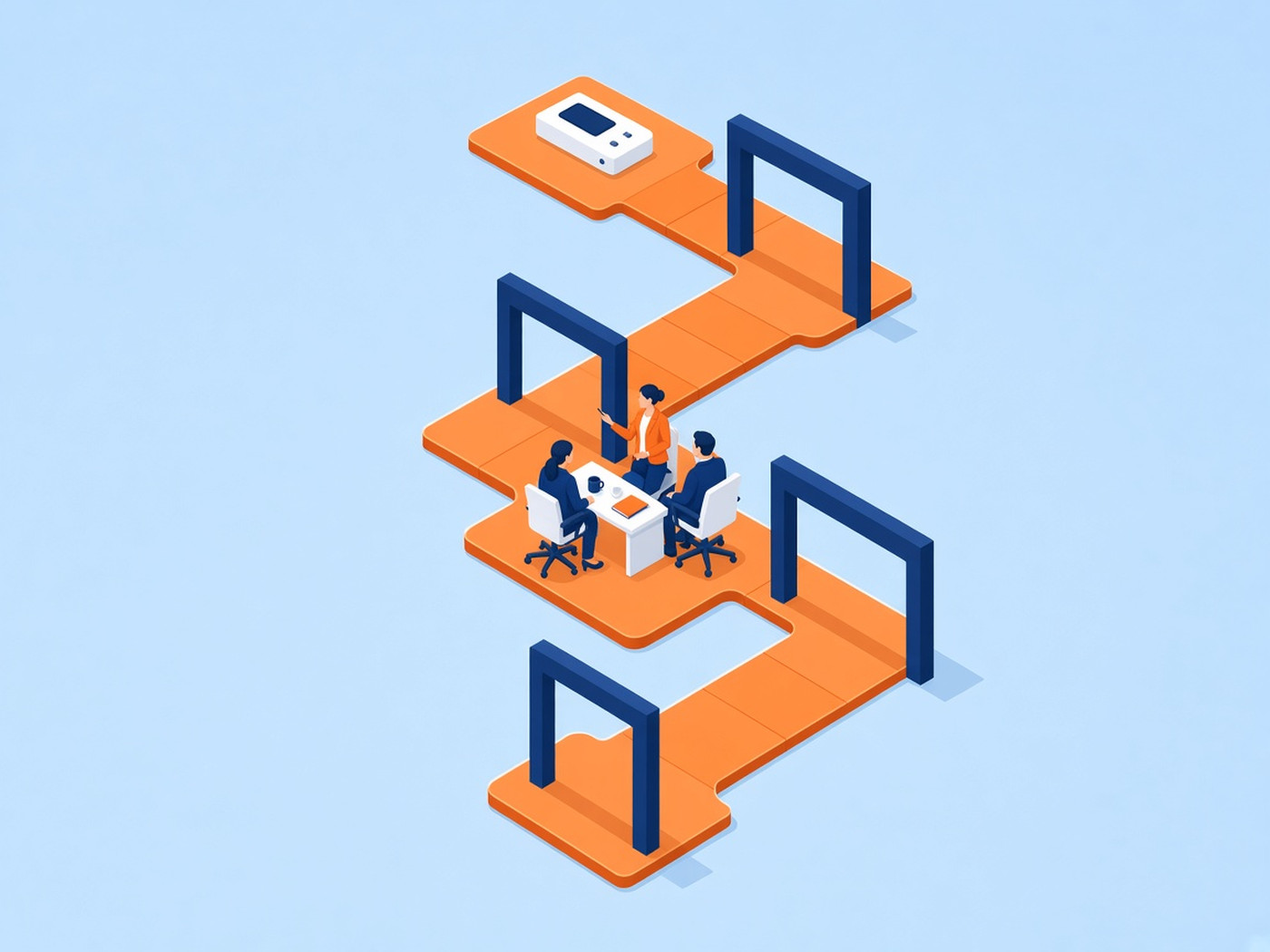
What is the Stage-Gate process? Learn how stages and gates work in new product development, with a flowchart, gate criteria, a worked example and templates.
33 min readAudio version available
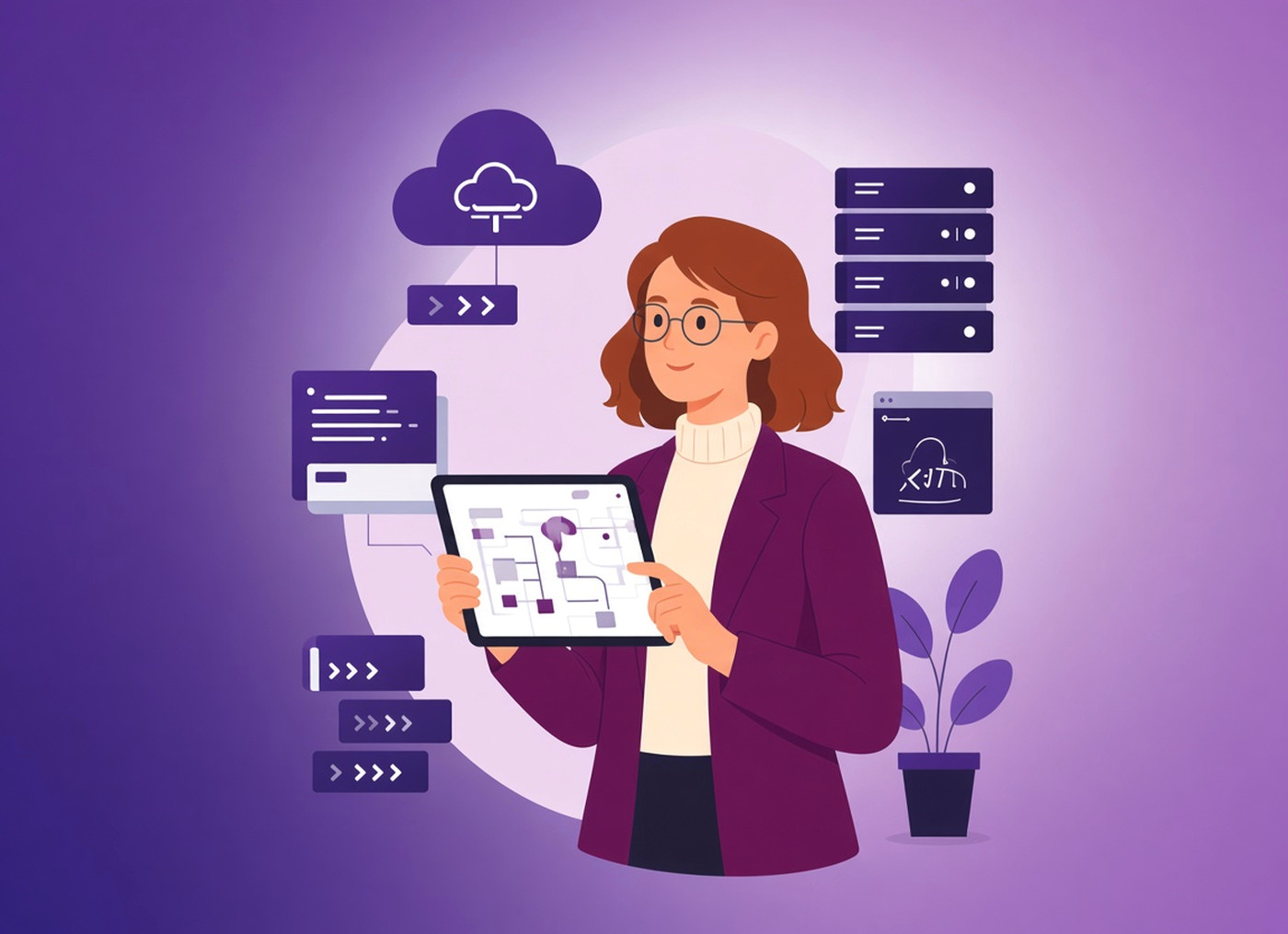
What is infrastructure as code (IaC)? How it works in DevOps, how to choose between Terraform and Bicep, how to secure it, and how to get started.

3 min readAudio version available
Code reviews are powerful tools for building stronger teams and better software. This guide reveals how successful teams create a culture of continuous improvement.
Questions teams ask before an agent touches its first real system.
Have a different question? Talk to our team
Tell us the task, the systems it touches and who should approve each change.
We reply within 24 hours, and we can sign an NDA before you share details.
Talk to the people who will scope your project


