United States
AI lending platform for a US private credit marketplace
Outcomes
- Faster cycle times on cleared applications
- Fewer rework loops on document packages
- Higher borrower completion rates
- .NET
- Angular
- Azure
- Azure OpenAI


AI Integration
We connect Azure OpenAI, Amazon Bedrock and other models to the software you run today. One gateway, a private network path and a switch per segment, so the rest of your system does not change.
We reply within 24 hours
Assistive summary, by segment
AI
Model version
Pinned
Changed here, after the test set passes
Release needed to switch
None
Flags are read at runtime
When the model is down
Model timed out. Static help shown, and an AI unavailable event logged for support.
 Multi Radiance Medical
 Loma Lux Laboratories
 WellVu
 Commercial Capital Group
 Grand Auto
 HostMy
 Land Base
 Auto Tuning
Every call goes through one gateway, wherever it starts. Each row shows what we add, what stays untouched and the system where we built it.
Your system
What triggers it
A user asks for a summary or an explanation.
What we add
A read endpoint that returns a cached, versioned answer or queues a short job.
What stays as it is
The submit path, which never waits for the model.
What triggers it
A job or an incident reaches a step that needs judgment.
What we add
A gateway call the workflow can skip, with a versioned contract for the answer.
What stays as it is
The workflow’s own steps, which run the same with or without AI.
What triggers it
A document or a message lands on the queue.
What we add
A recognition step in the flow that reads from the same queue.
What stays as it is
The services on either side, which keep talking over the bus.
What triggers it
A result is ready for a person to act on.
What we add
Messages in Slack and pull requests in GitHub, written for review.
What stays as it is
Code review and the on-call routine your team already follows.
Three products where we wired a model into the flow, then the integration API and data work that systems like these depend on.
United States
Outcomes
Your code never calls a model directly. Each layer below owns one job, so a limit, a key or a provider changes in one place.
Your code
Calls one interface, so the provider can change behind it.
.NET gateway
Decides what may leave and what comes back.
Azure API Management
Shares the model between applications and teams.
Model endpoint
Answers only on a private network path.
Side laneMCP server
The other direction: your system’s operations offered to assistants and agents.
Where should the gateway sit in your system? Software architecture covers the structure around it.
Where AI sits in the architectureAn API for systems already in use, a migration done while everything kept running and CRM and ERP data connected, each linked to its project.
The solution they provided was not only efficient and accurate, but also integrated seamlessly with our existing internal system.
Boris Godes(LinkedIn profile, opens in a new tab)
President, Grand Financial Inc
Their attention to detail and thorough planning ensured a smooth transition, and we were up and running all the time.
Gerti Morell(LinkedIn profile, opens in a new tab)
Marketing Director, Loma Lux Laboratories
Their innovative solutions helped us streamline our processes and gain valuable insights that have positively impacted our business.
Max Kanarsky(LinkedIn profile, opens in a new tab)
CEO, Multi Radiance Medical
AI integration is adding a model, such as Azure OpenAI or a model on Amazon Bedrock, to software that already runs. We find where it plugs in, put one gateway between your code and the model, keep the traffic on a private network path and switch it on in steps. The screens, services and data around it stay as they are.
The goal
A model inside the systems you already run, switched on one segment at a time and off without a release.
Four questions we ask before connecting anything. A no is not a stop, it points to the work that comes first.
A model joins through a clean interface. Logic buried in a desktop app or a stored procedure has to come out first.
If not, start withLegacy Application ModernizationFields scattered across exports and spreadsheets give the model nothing reliable to read, and no way to limit what it reads.
If not, start withData ArchitectureA private endpoint needs an Azure tenant or an AWS account that your security team controls.
If not, start withCloud MigrationCalls scattered through the code are hard to switch off, test or move to another provider.
If not, start withSoftware ArchitectureNot sure how your system scores? The fit check on the AI transformation page takes a few questions.
Take the AI fit checkTell us what the system does today and where AI should help. We will say which of the four ways fits and what has to be ready first.
We reply within 24 hours and can sign an NDA first.
Both give you a private, governed model. Each row shows how the platform handles it and what we build on top either way.
What we build either way
The gateway is the only caller, and the network denies other hosts.
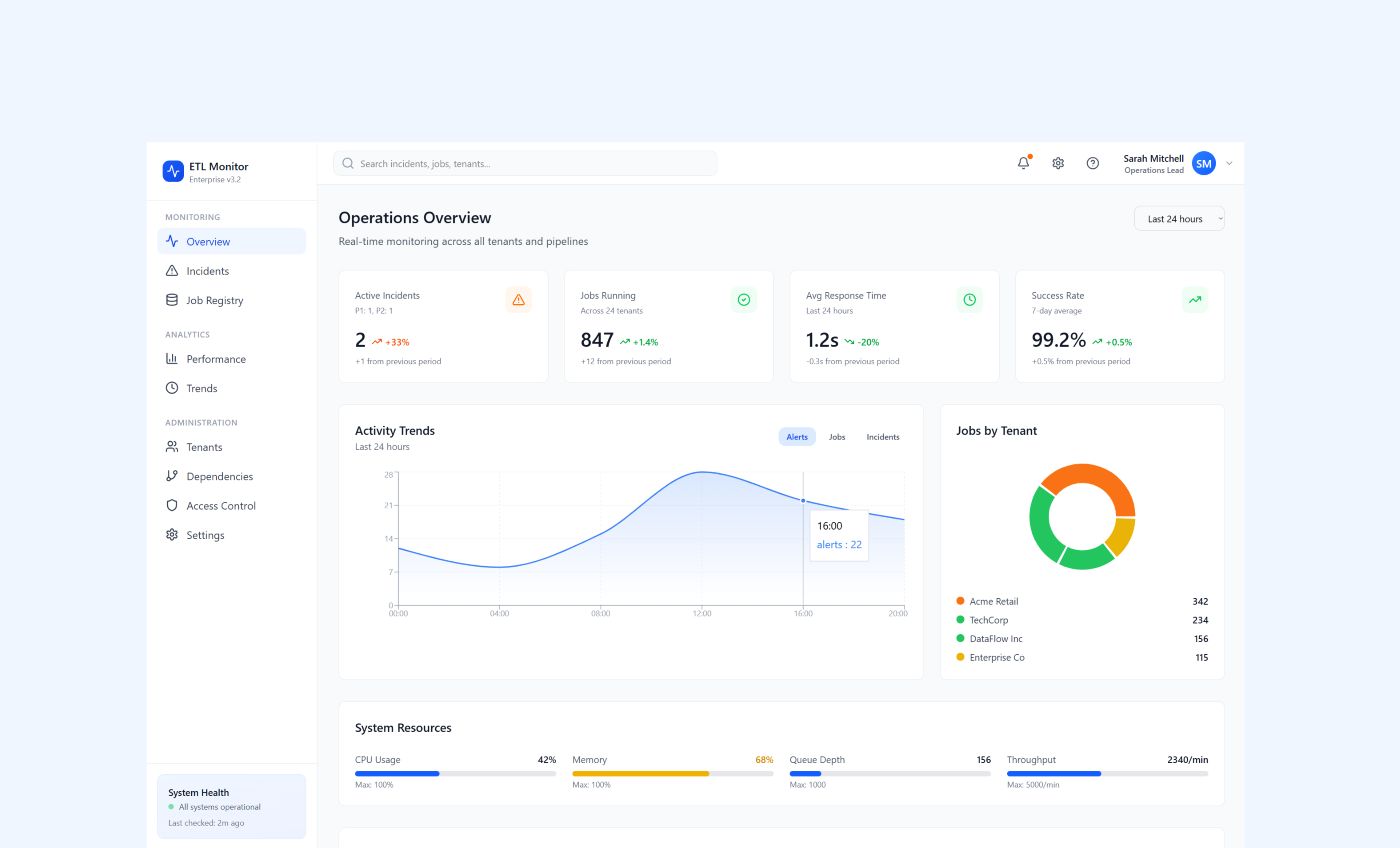
In the ETL monitoring platformNetwork rules that deny egress to unapproved hostsAzure OpenAI
Entra ID tokens instead of an API key in the appAmazon Bedrock
IAM roles with temporary credentialsWhat we build either way
Whatever secrets remain sit in a vault, with rotation.
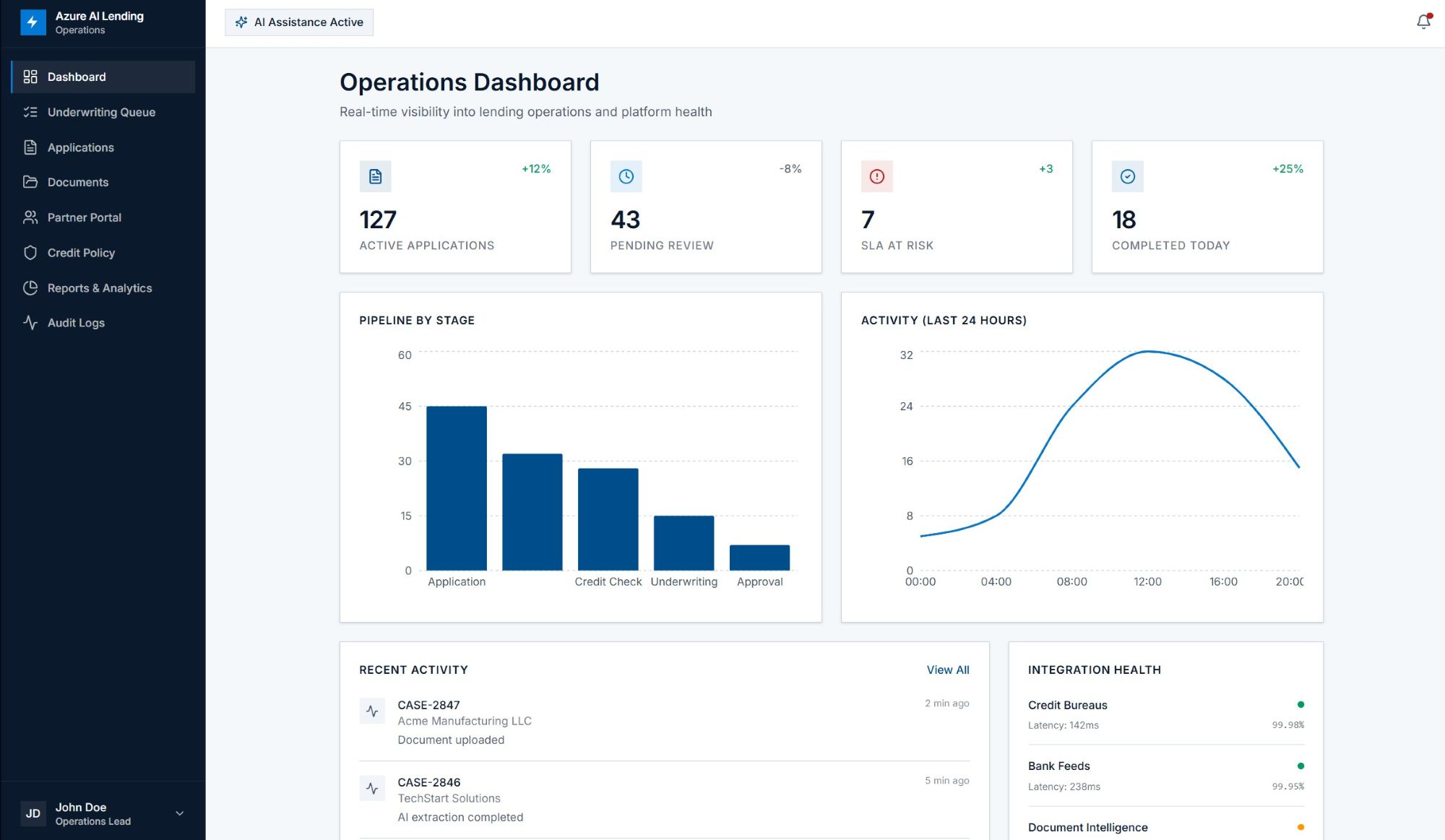
In the lending platformSecrets in Key Vault with rotation hooksAmazon Bedrock
Default quotas per account and per modelWhat we build either way
Retry budgets and a circuit breaker, so a throttled call falls back instead of piling up.
In the ETL monitoring platformStrict timeouts, retry budgets and circuit breakersAzure OpenAI
Provisioned throughput, with dedicated capacityAmazon Bedrock
Provisioned Throughput at a fixed costWhat we build either way
Cached, versioned answers, so repeat requests never reach the model.
In the lending platformA read endpoint that returns a cached, versioned summaryAmazon Bedrock
Guardrails that filter harmful prompts and responsesWhat we build either way
Every answer checked against a schema before your system uses it.
In the lending platformMaximum tokens and schema validation on every responseAmazon Bedrock
Each model is Active, Legacy or End-of-LifeWhat we build either way
The version is pinned and changed from an admin screen, never by surprise.
In the lending platformAdmin controls for model versionsAzure OpenAI
Prompts are not used to train foundation modelsAmazon Bedrock
Content is not used to improve base models or sharedWhat we build either way
Only allow-listed fields leave your system, never whole documents.
In the lending platformPrompts exclude full document bodies and use hashed identifiersAzure OpenAI and Amazon Bedrock cover most systems we connect. The rest fit specific clouds, prototypes or data that may not leave your servers.
In your Azure tenant
Choose when your systems run on Azure and the model should sit in your own tenant behind a private endpoint.
In your AWS account
Choose when your systems run on AWS, or you want models from several providers under one account and IAM.
In Google Cloud
Choose when your data and workloads already live in Google Cloud.
Direct from the vendor
Choose when you are building a prototype, or a feature that does not need the model inside your own cloud account.
On your own servers
Choose when data may not leave your servers, or steady volume pays for your own GPUs.
Tooling on every option
Around the model
A model reaches users in steps, and each step can be undone without a release. This is the order we follow.
New AI paths go to production switched off, so the release and the switch-on are separate decisions.
In the lending platformThe first bureau connector shipped behind feature flagsOne group of users gets it first. The people who run that group can switch it off again without a release.
In the lending platformLending officers turn model assistance off per segment, without redeployingThe model version is set in configuration and changed from an admin screen, after the test set passes.
In the lending platformAdmin controls for model versionsA slow or failed call shows the non-AI path and logs an event, so support knows before users report it.
In the lending platformFailures degrade to static help and log a structured event for supportTraces and dashboards for every call, and a runbook for whoever is on call.
In the lending platformOpenTelemetry traces, Application Insights dashboards and on-call runbooksHeadquartered in Warsaw, Poland, with a client office in New York. A European engineering team that works in your hours, with a US point of contact.
Headquarters
Engineering and delivery, and the main contact point for clients in Europe.
Client office
Kickoffs, contracts and account management for North American clients.
Clients in Europe share the full working day with the team.
8 AM to 12 PM New York time, 2 PM to 6 PM in Warsaw.
Independent rankings for the team that connects models to client systems, each next to the service it relates to.

Top Software Developers 2026
TechReviewer

Champion, Fall 2024
Clutch

Global Leader, Fall 2024
Clutch

Best Company to Work With
GoodFirms

App Modernization 2024
The Manifest
Top Software Developers 2024
TopDevelopers

Top Healthcare Software 2025
SuperbCompanies

ReactJS Winner 2025
TechBehemoths
Related reading
Guides from our team on application modernization, web application security and CI/CD.
18 min readAudio version available
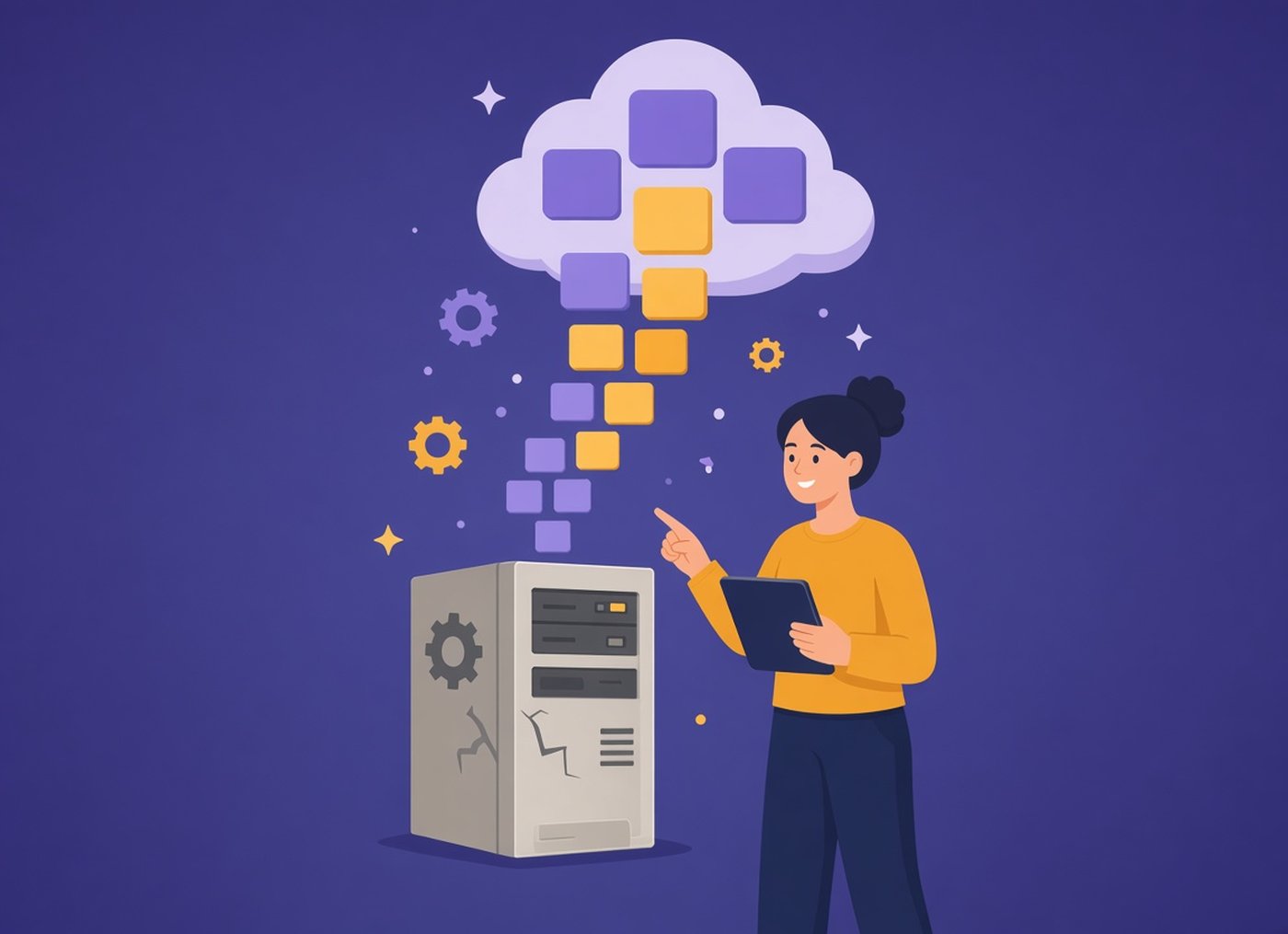
What application modernization means, why it matters, how the 7 Rs work, which modern technologies help and how to modernize legacy applications in phases.

9 min readAudio version available
Web application security safeguards business reputation and customer trust. This guide reveals how development teams implement proactive measures against OWASP Top 10 vulnerabilities.

5 min readAudio version available
DevOps and CI/CD transform how teams deliver software by breaking down silos. This guide reveals how organizations accelerate delivery and reduce risks.
Questions teams ask before a model touches a system that is already in production.
Have a different question? Talk to our team
Tell us the system, the cloud it runs on and where a model should help.
We reply within 24 hours, and we can sign an NDA before you share details.
Talk to the people who will scope your project