United States
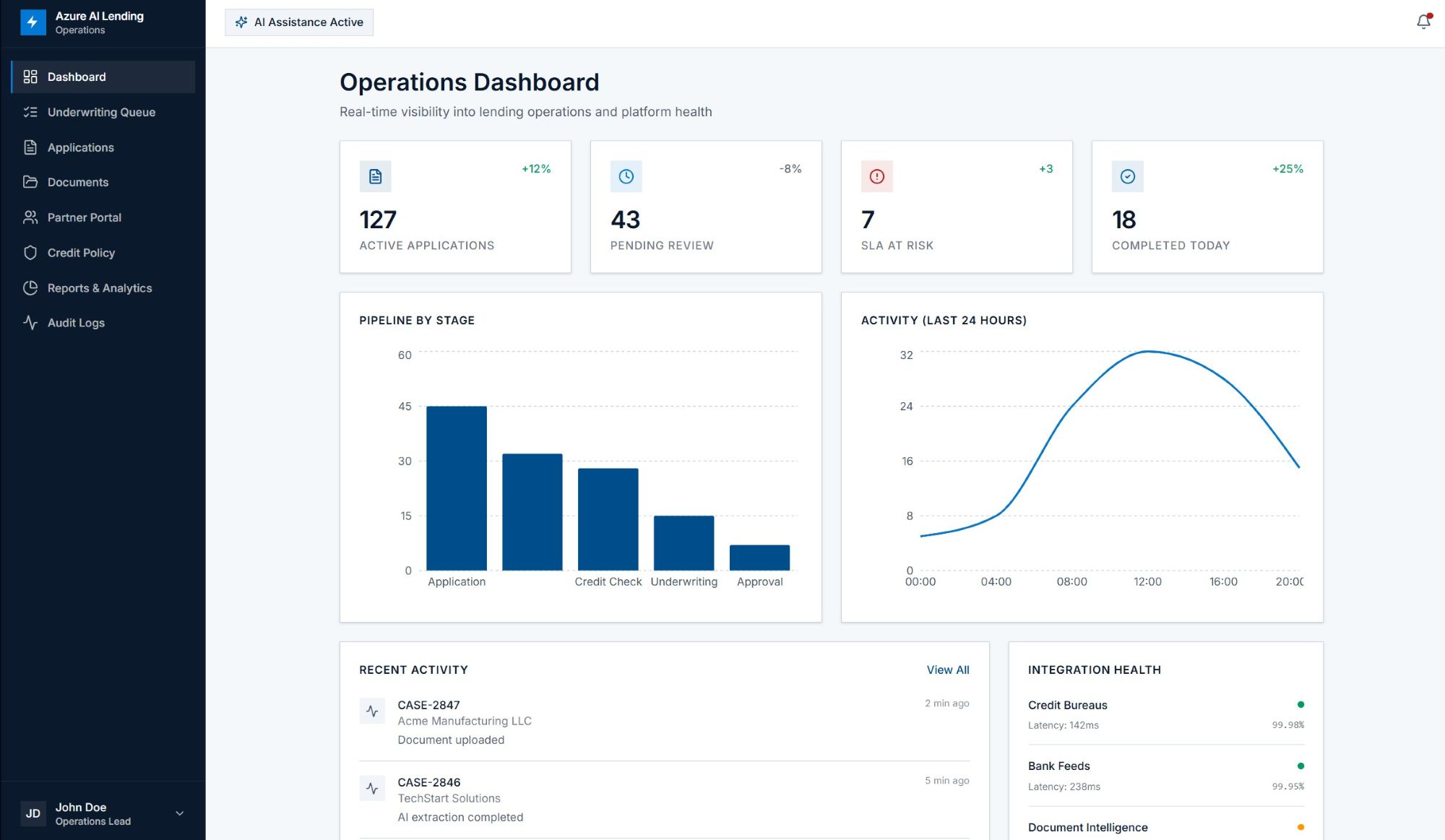
AI lending platform for a US private credit marketplace
Outcomes
- Faster cycle times on cleared applications
- Fewer rework loops on document packages
- Higher borrower completion rates
- .NET
- Angular
- Azure
- Azure OpenAI


.NET Staff Augmentation
Senior C# engineers from our in-house team join your solution and work on your ASP.NET Core APIs, EF Core data access, background workers and xUnit tests. You lead the work.
We reply within 24 hours
 Multi Radiance Medical
 Loma Lux Laboratories
 WellVu
 Commercial Capital Group
 Grand Auto
 HostMy
 Land Base
 Auto Tuning
A .NET engineer who joins you owns a part of the back end, not a ticket queue. What that part was on projects we worked on:
Staff augmentation · 6 months
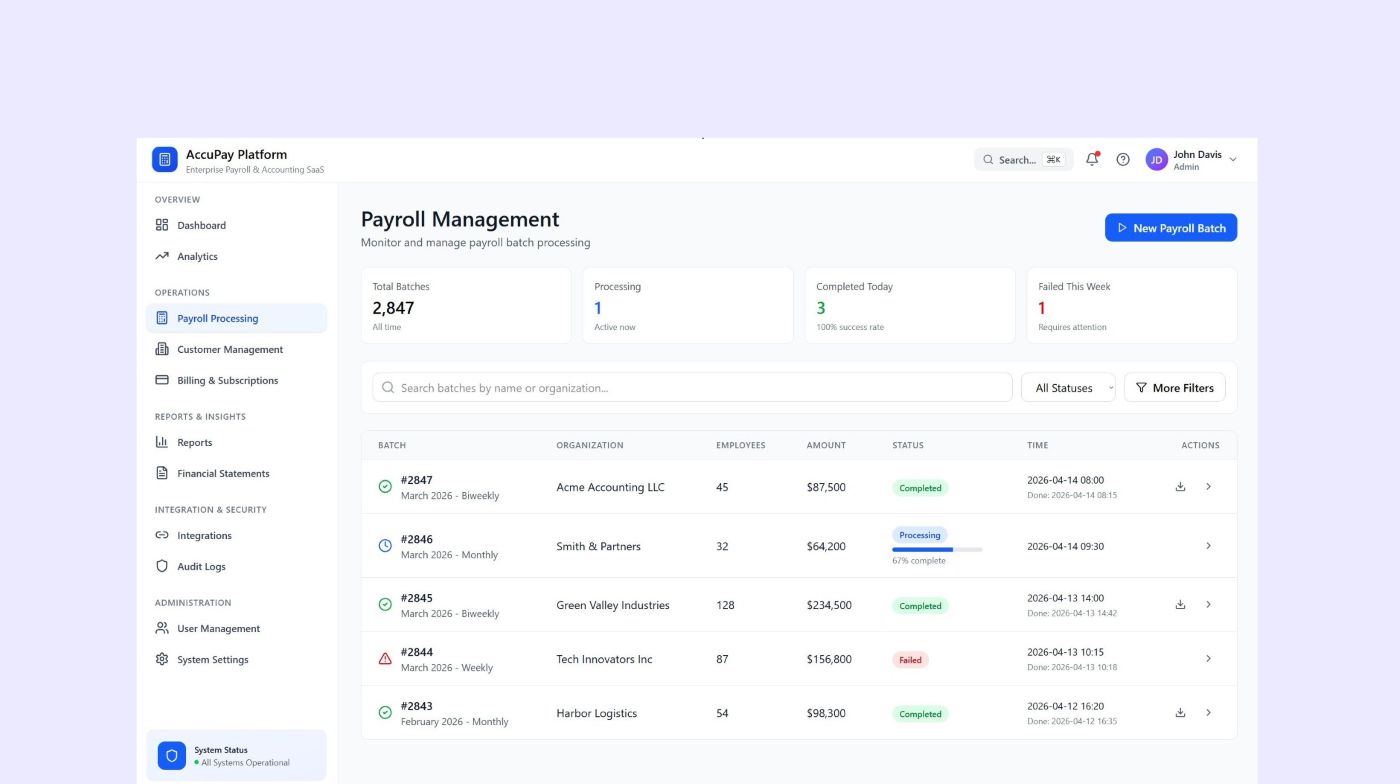
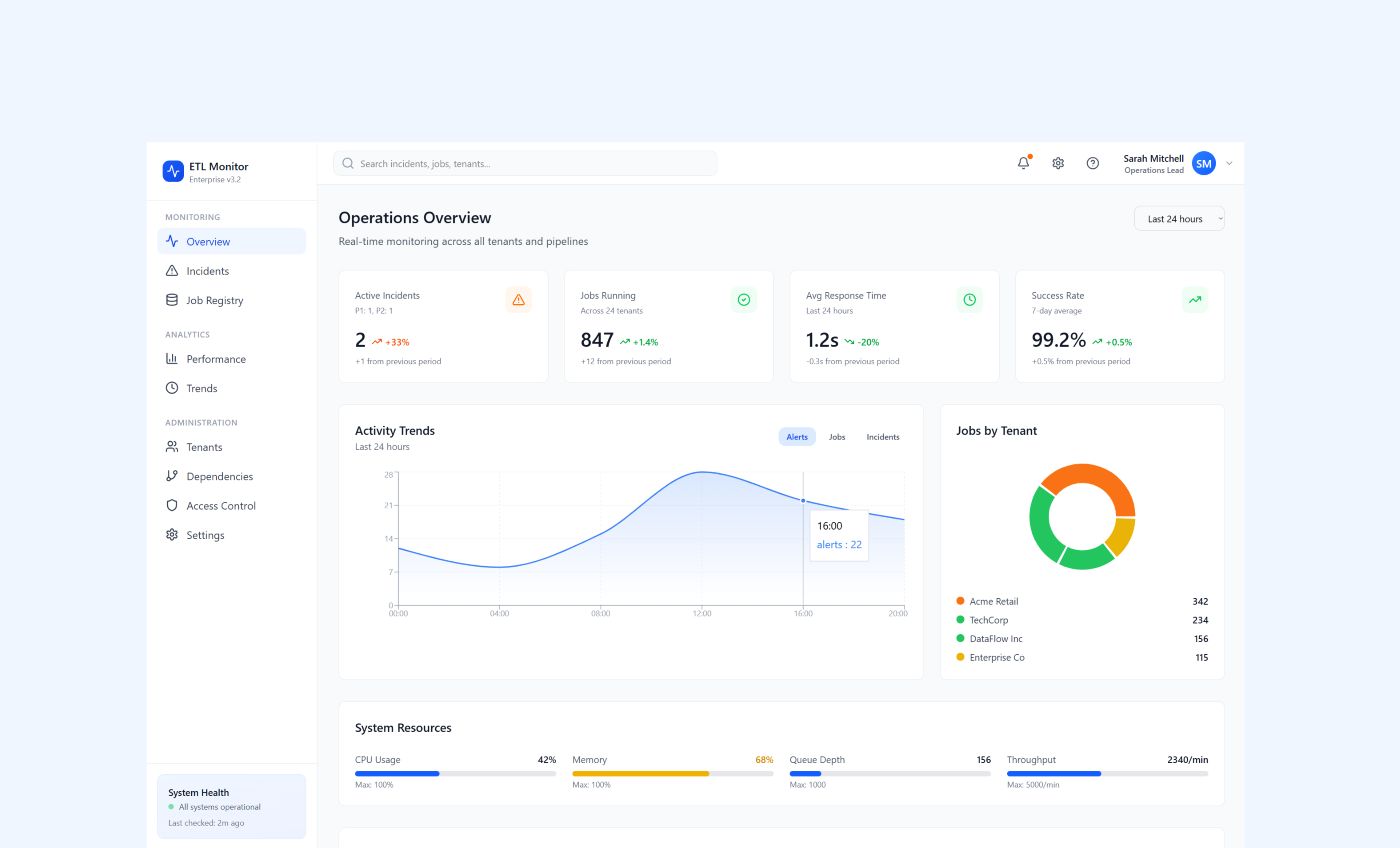
Healthcare de-identification1 Senior Backend Developer
Project we ran · 11 months
US fintech lending2 Senior .NET engineers
Project we ran · 18 months
Accounting SaaS2 Senior .NET engineers
Every .NET engineer we place is senior.
Six parts of a typical .NET solution, with what our engineers built in each on a named project.
YourProduct.Api
Endpoints, contracts and OpenAPI documents for the front end and for partners.
YourProduct.Domain
The C# code that holds the rules of the business, kept apart from the API and the database.
YourProduct.Data
Entity Framework Core models and migrations on Azure SQL or PostgreSQL.
YourProduct.Workers
Long-running jobs that run off the request path, on Service Bus, RabbitMQ or Azure Functions.
YourProduct.Integrations
Clients for third-party APIs that survive timeouts, retries and duplicate messages.
YourProduct.Tests
Tests for the rules that must not change, run in CI on every build.
Four platforms where our .NET engineers built the APIs, workers and services behind the product.
United States
Outcomes
A .NET back end rarely runs alone. What sits next to it, and what the .NET engineer does at each seam:
The .NET engineer publishes the API the screens call, and a React engineer builds the screens.
In practice
Accounting SaaSThe same split: the API in .NET, the forms and roles in Angular, each with its own engineer.
In practice
Healthcare de-identificationFront-end types come from the API’s OpenAPI contract, so both ends change together.
In practice
US fintech lendingSchema, queries and migrations are written by the .NET engineer, with Entity Framework Core.
In practice
US fintech lendingApp Service, Functions and Service Bus, deployed from your pipeline.
In practice
US fintech lendingEach service builds into a container, so it runs the same on a laptop and in the cloud.
In practice
Healthcare de-identificationTwo clients of our .NET projects and one Azure client, each linked to the project behind the quote.
They took the time to understand our business needs and provided a cloud native solution with microservice architecture that exceeded our expectations.
Eugene Baronetsky
Managing Director, Commercial Capital Group LLC
The solution they provided was not only efficient and accurate, but also integrated seamlessly with our existing internal system.
Boris Godes(LinkedIn profile, opens in a new tab)
President, Grand Financial Inc
They are one of the most customer-focused teams.
Robert Ozersky
Project Manager, Loma Lux Laboratories
Tell us your .NET version and what the backlog holds, and an engineer will tell you who we have.
We reply within 24 hours and can sign an NDA first.
.NET staff augmentation adds senior C# engineers from our in-house team to your team. They work in your solution, on whichever .NET version it runs today, and you lead the work.
The goal
A .NET engineer who knows your solution well enough to change any project in it.
Microsoft support status, checked November 2026
The engineer works in the code you have, ships features and fixes, and keeps the move to modern .NET possible.
Security patches have stopped. The engineer can move the solution to .NET 10 project by project, next to the backlog.
The target for new work, with the ASP.NET Core and EF Core patterns our lending and accounting platforms use.
Four .NET questions we ask before proposing an engineer, then the five steps to their first two weeks.
For example.NET Framework 4.8 for the core, .NET 8 for new APIs
So the engineer we propose has worked on that version, old or new.
For exampleOne solution with an API, a background worker and shared class libraries
So their first change lands in the right project.
For exampleIIS on Windows servers today, moving to Azure App Service
So configuration and deployment are familiar from the first week.
For exampleEF Core in new code, stored procedures in older modules
So queries and migrations follow the patterns you already have.
01Brief
You answer these questions, plus the role, the seniority and the start date.
02Shortlist
We match the brief against our in-house engineers and send the profiles that fit.
03Interview
You test them the way you would test your own hires, then pick who joins.
04Order
A short order under the master services agreement names the engineer, the rate and the start date.
052-week trial
The engineer joins your standups and opens a first pull request in week one.
Headquartered in Warsaw, Poland, with a client office in New York. A European engineering team that works in your hours, with a US point of contact.
Headquarters
Engineering and delivery, and the main contact point for clients in Europe.
Client office
Kickoffs, contracts and account management for North American clients.
Clients in Europe share the full working day with the team.
8 AM to 12 PM New York time, 2 PM to 6 PM in Warsaw.
Awards from TechReviewer, GoodFirms and Clutch for the in-house team our .NET engineers come from.

Top Software Developers 2026
TechReviewer

Top Staff Augmentation Firm 2024
GoodFirms

Champion, Fall 2024
Clutch

Global Leader, Fall 2024
Clutch

Best Company to Work With
GoodFirms
Related reading
Guides from our team on finding .NET engineers, C# next to Java, and running staff augmentation well.

25 min readAudio version available
The key differences between C# and Java explained: types, generics, exceptions, async vs virtual threads, backend stacks, and how to pick one for your project.

19 min readAudio version available
Here is an extensive guide on how to hire .NET developers. Discover how to make the right decision on a .NET development contractor and build your development team effectively.

13 min readAudio version available
2025 brings new challenges in IT staffing. This guide reveals the essential best practices successful companies use to build cohesive remote teams and achieve seamless project delivery.
Questions teams ask before a .NET engineer joins their solution.
Have a different question? Talk to our team
Tell us the .NET version, how the solution is laid out and what you need built.
We reply within 24 hours, and we can sign an NDA before you share details.
Talk to the people who will scope your project